To Catch a Trafficker
A quarter-trillion-dollar criminal industry is opposed by less than a billion in countermeasures. That is not a fair fight. It is barely a fight at all.
A trafficker once pulled out his phone at a bar on a tourist island in Honduras and started scrolling through photos of girls. He talked about them the way a car dealer talks about inventory. "These are the cars we have," he said. "You got this car model, you got this car model." He was not talking about cars.
The girls were sorted by age. The prices were fixed.
The younger the child, the higher the price.
He was talking to our undercover operator, he just didn't know it. He was comfortable, relaxed, eager to do business, because he had done this many times before with many clients and nobody had ever stopped him.
We stopped him. But he is one man in one bar on one island. The industry he represents generates $236 billion a year in illegal profits, according to the International Labour Organization. That makes human trafficking one of the most lucrative criminal enterprises on earth, rivaling the global drug trade.
The global resources committed to fighting it amount to less than a billion dollars.
We are going to let that sit for a moment. A quarter-trillion-dollar criminal industry opposed by less than a billion in countermeasures. That is not a fair fight. It is barely a fight at all.
We are writing this series because we believe law enforcement officers are the frontline of this war, and too many of them do not know it yet. Over four columns, we will give you an unvarnished look at trafficking as we have encountered it in the field, walk you step by step through an undercover operation from first contact to takedown, lay out the operational doctrine that makes network dismantlement possible, and make the case that rescue without restoration is an incomplete mission.
We are not writing from a policy office or an academic conference. We are writing from bars in Honduras where traffickers sell children by age bracket, from raid sites in Peru where girls were found locked behind 18-foot walls, and from children's centers in Ecuador where 380 kids eat every day because a trafficking network was torn down and replaced with something better.
This is what we do. And this is what we have learned.
The Scale of the Enemy
The ILO estimates that 49.6 million people are trapped in modern slavery on any given day. That number includes 27.6 million in forced labor and 22 million in forced marriage. The United Nations Office on Drugs and Crime reported a 25 percent increase in detected trafficking victims in 2022 compared to pre-pandemic levels. Child victims increased by 31 percent. The 2025 U.S. State Department Trafficking in Persons Report recorded the highest number of forced labor convictions ever documented worldwide.
Those numbers represent progress in detection and prosecution. They also confirm that the problem is accelerating, not shrinking.

When most people hear "human trafficking," they picture sex trafficking. Sex trafficking is devastating and generates nearly five times the profits of all other forms of forced labor combined. But the full scope of modern slavery extends far beyond sexual exploitation. It comes in many forms — forced labor in agriculture, construction, and manufacturing. Domestic servitude. Organ harvesting. Forced marriage. Children compelled into armed conflict and criminal activity.
Sixty-four percent of children identified in sex trafficking globally are not teenagers. They are young children. We have encountered cases where children were for sale for as little as $7. An eight ball of cocaine will last one night between two people. A child can be exploited 10 or 15 times a day and used for years. That is the economics driving this industry. Traffickers are not ideologues. They are businesspeople, and human beings are the most profitable commodity they have ever found.
Here is what should concern every officer reading this: 58 percent of identified victims were trafficked within their own country. This is not exclusively a border problem. It is a community problem. It is happening in your jurisdiction, inside businesses you drive past on patrol, in hotels and residences and commercial establishments that look ordinary from the outside.
How They Operate
We founded Aerial Recovery as a veteran-led organization with a simple mission: save lives and stop evil. Our team is composed of retired Special Operators, veterans, and first responders retrained as Humanitarian Special Operators through our Heal the Heroes initiative — a year-long program that takes struggling veterans and first responders through a process of healing and then channels their restored capabilities into anti-trafficking and disaster response missions around the world.
That mission has brought us inside trafficking operations across Latin America. What we have found is consistent: traffickers run their enterprises the way any business operator runs a company. They have supply chains, pricing structures, client networks, and layers of insulation designed to protect leadership from exposure.
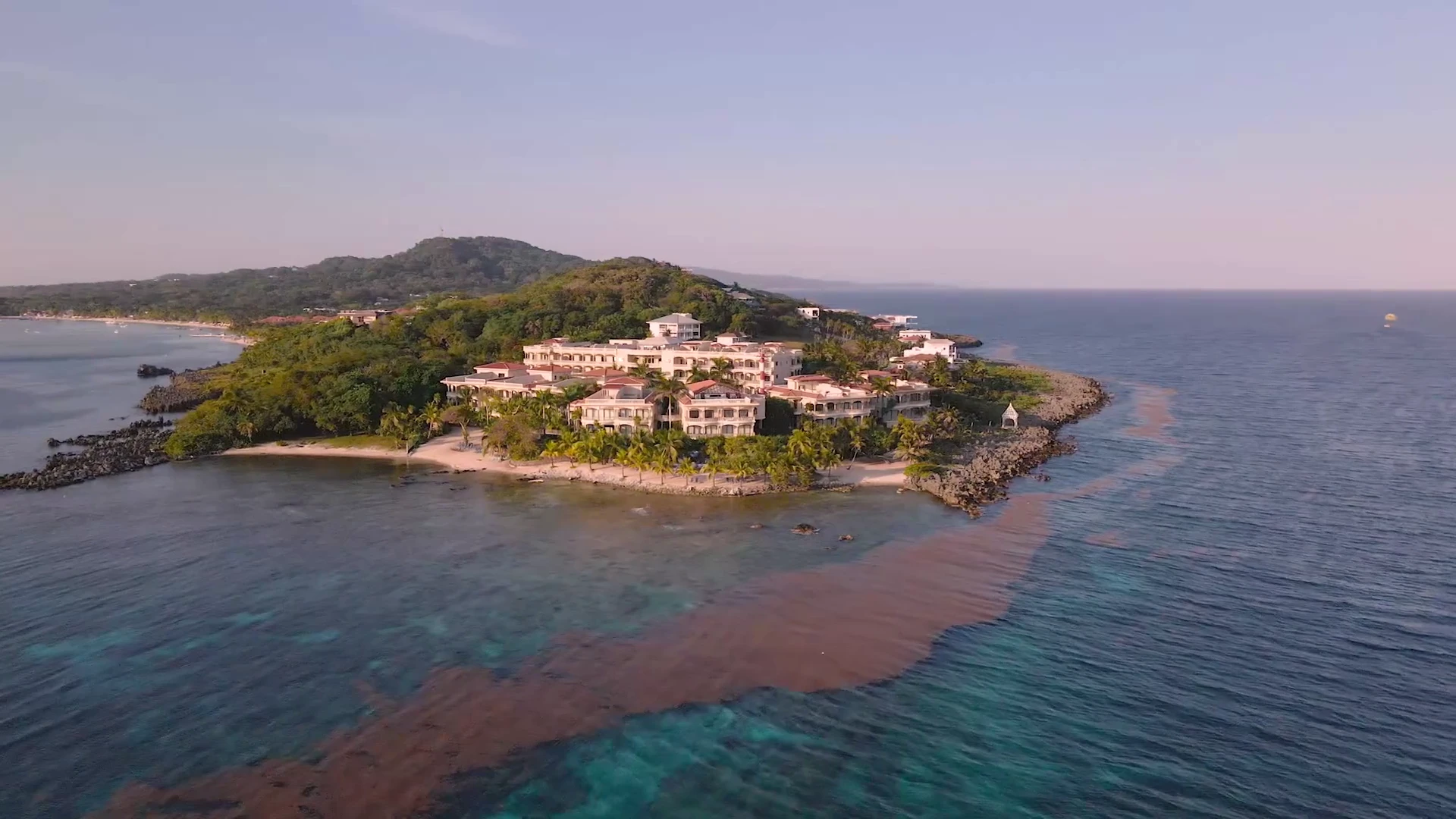
In Honduras, we encountered a network known as "the Deltas," an American-led organization that operated primarily out of the Bay Islands, catering to Americans and Westerners who traveled there specifically to commit sexual crimes against young girls. The network used street-level recruiters to identify vulnerable girls in local communities. It maintained relationships with property owners who provided locations for exploitation. It employed intermediaries at every level so that if a street-level operator got taken down, the people above him were protected.
In Peru, we encountered a different kind of operation but the same underlying logic. A transnational criminal organization called Tren de Aragua, or TdA, had built an industrial-scale trafficking enterprise across Northern Lima. TdA originated in a Venezuelan prison and has metastasized across the Western Hemisphere, following the migration corridors created by Venezuela's economic collapse. In early 2025, TdA was designated a Foreign Terrorist Organization by the United States. Canada and Argentina followed with their own designations. The U.S. State Department has posted up to $12 million in reward offers for three of TdA's top leaders.
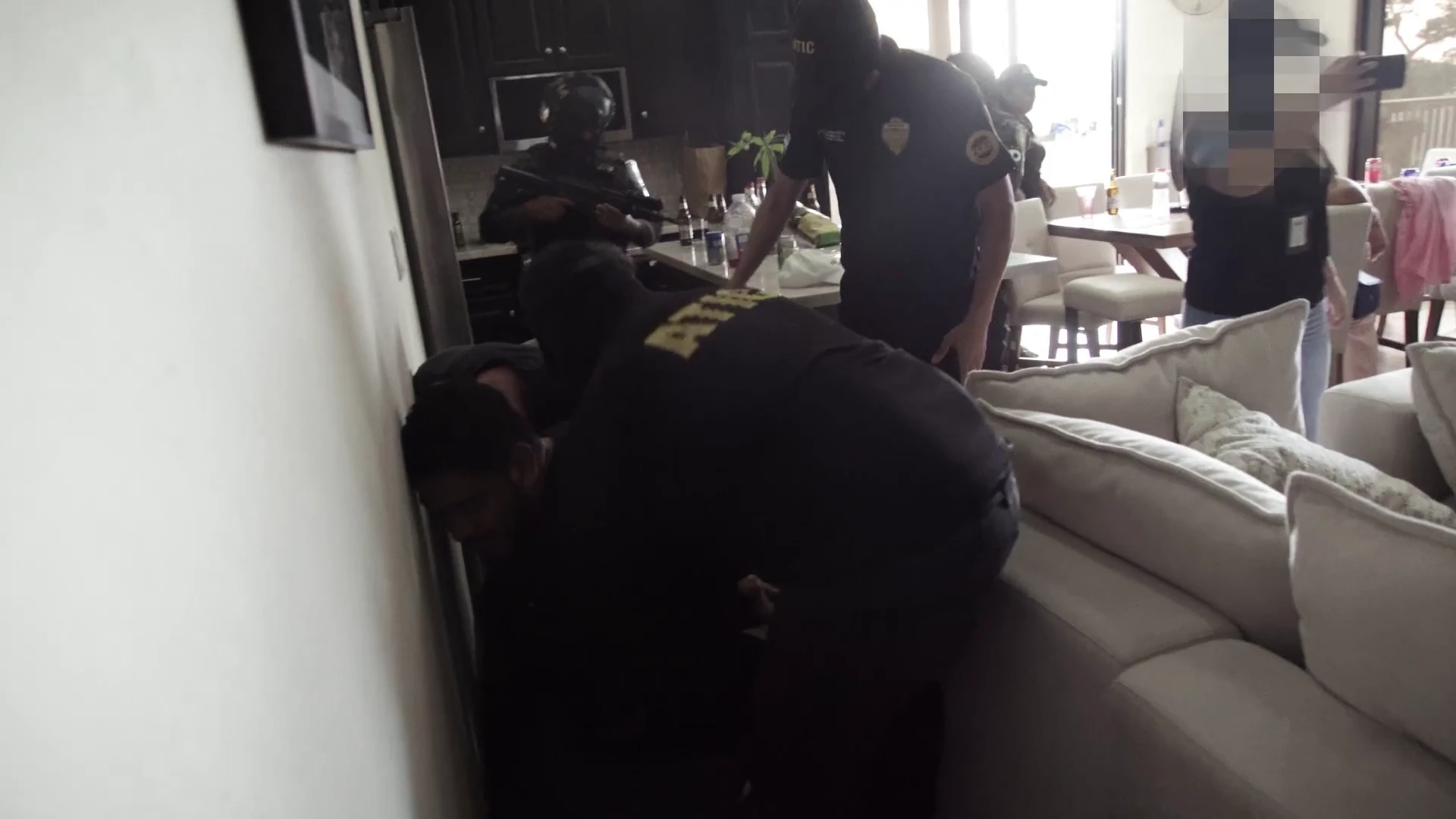
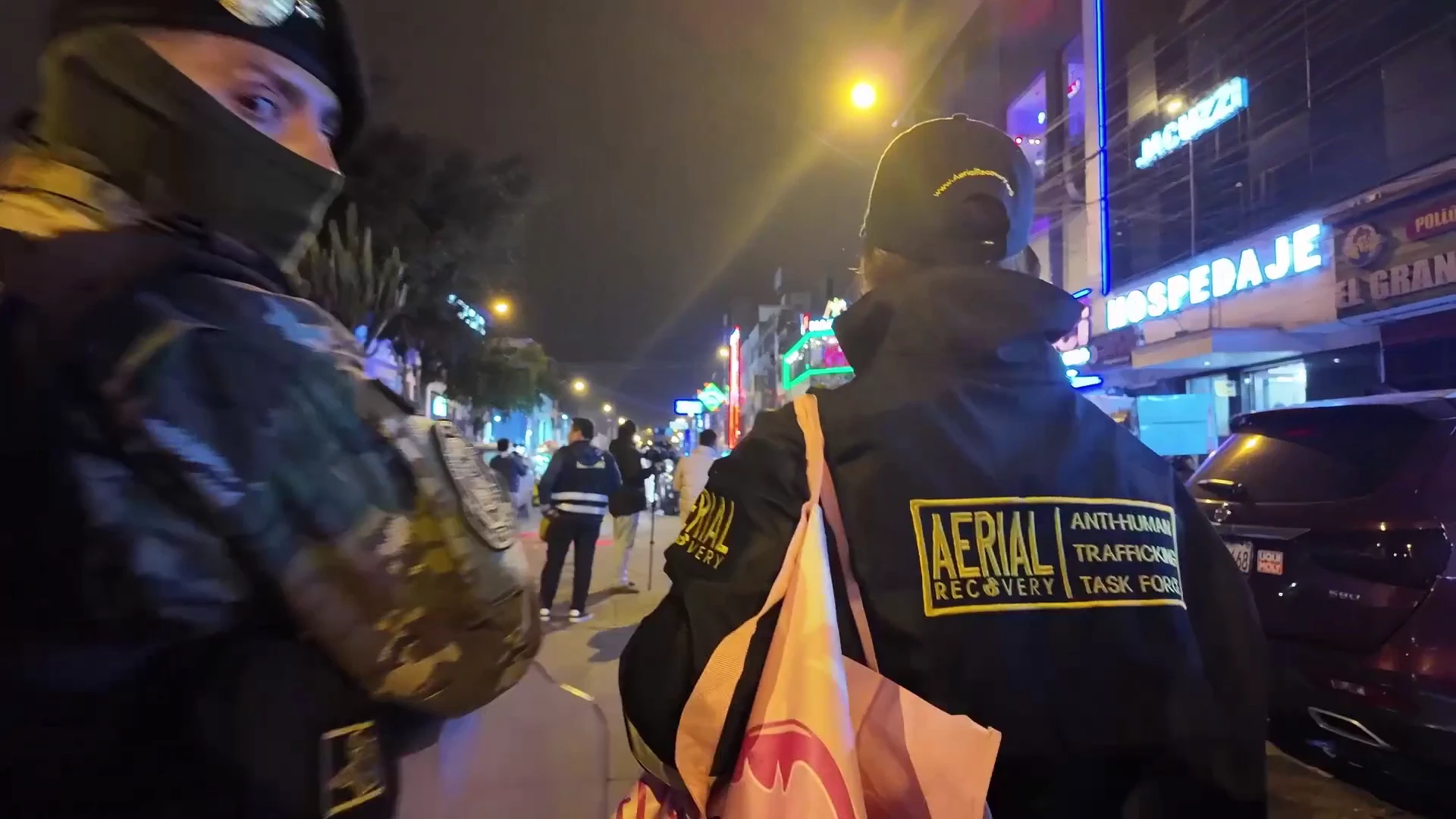
In June 2025, Aerial Recovery personnel supported the Peruvian National Police in a sweeping operation across Northern Lima targeting a violent TdA faction. More than 20 coordinated raids. Over 500 law enforcement officers, SWAT teams, 40 prosecutors and defense attorneys, and victim-witness advocates. Eighteen female victims rescued. Ten high-level TdA members arrested. Several victims were found carrying falsified identification documents used to disguise the ages of minors forced into sexual exploitation.
The victims had been trafficked from Venezuela, Colombia, and Ecuador with promises of legitimate employment. When they arrived, they were told they owed massive debts to their traffickers and were forced into commercial sexual exploitation to repay fabricated amounts. Hotels and nightclubs served as fronts, some renting rooms by the hour for the sole purpose of abuse.
Different countries. Different networks. The same business model.
When Disaster Strikes, Traffickers Move
There is a dimension of this crisis that rarely gets the attention it deserves, and it is central to why Aerial Recovery exists as a dual-mission organization: the intersection of natural disasters and human trafficking.
When a hurricane destroys a community or an earthquake levels a city, the immediate crisis is obvious. People need water, shelter, medical care. What is less visible is that the same conditions that create humanitarian emergencies also create trafficking vulnerabilities. Displacement breaks apart families and social safety nets. Desperation drives people to accept offers they would otherwise refuse. Children are separated from caregivers. The infrastructure that might have provided some measure of protection — schools, clinics, local law enforcement — is wiped out.
Traffickers know this. They are predators, and disasters are their hunting ground.
This is why we do not treat disaster response and anti-trafficking as separate initiatives. They are two expressions of the same commitment: protecting the most vulnerable in their greatest hour of need. When our Humanitarian Special Operators deploy to a disaster zone, they are not only delivering aid. They are providing a security presence that deters exploitation in the critical window when communities are most exposed.
A Challenge to Those Who Wear the Badge
We want to close this first column with a direct challenge to the law enforcement officers reading this.
You will encounter human trafficking in your career. Many of you already have and did not recognize it.
The woman at the nail salon who cannot make eye contact. The teenagers at the truck stop who do not seem to be with anyone they know. The hotel where rooms are booked in cash for two-hour blocks. The migrant laborer who flinches when you ask for identification.
These are not hypotheticals. These are cases.
One of the biggest reasons trafficking remains so prevalent is that good people will not even talk about it. We do not know how many people will not even read this column because the subject matter is too uncomfortable to confront. We appreciate how hard it is to engage with this reality. But evil is very organized, and it is extremely hard to get good people to rally around important causes when they refuse to look at what is actually happening.
So we are asking you to look.
Inside an undercover operation, step by step — from the first handshake with a trafficker to the moment the raid team comes through the door.
In Column 2, we will show you the pricing negotiations, the catalog of victims on a cell phone screen, the tactical planning, and what it takes to build a case that holds up in court while keeping victims safe and operators alive.
The details are hard to read. They are harder to live. But understanding the enemy is the first step to defeating them.
This is a fight worth having. And it is a fight we intend to win.
Britnie Turner and Jeremy Locke are the Co-Founders of Aerial Recovery, a Nashville-based, veteran-led nonprofit organization whose mission is to save lives and stop evil. Aerial Recovery deploys trained Humanitarian Special Operators to support anti-trafficking operations, disaster response, and survivor aftercare around the world. Learn more at AerialRecovery.org.