
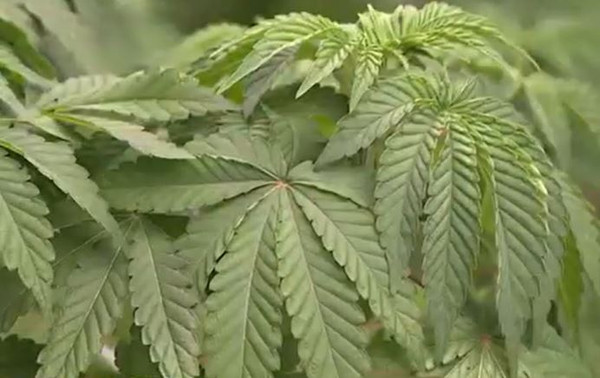
PHOENIX, AZ – Proposed legislation out of Arizona could see individuals who produce an “excessive” amount of “marijuana smoke or odor” while out in public, or ostensibly in their private residence, facing civil and criminal penalties under public nuisance laws.
Anyone who resides in a state that has legalized the use of cannabis can likely relate to the scenario of perusing an aisle at a local Walmart while passing by someone who smells like roadkill skunk. The moment is brief, the smell is often not the most pleasant, and if you’ve got an outspoken toddler in tow, they might blurt out something akin to “something stinks” – but Arizona is on track to criminalize the act of being a smelly hippie (namely, the smelly part).
SB 1725 is moving briskly through the Arizona legislature, and while the proposed bill isn’t likely to go up in smoke anytime soon, it would certainly be a curious law regarding how it would be enforced.
Using standing legislation pertaining to criminal nuisance and public nuisance laws within the state, individuals who create “excessive marijuana smoke or odor” could face either class 2 or class 3 misdemeanor charges, depending on the circumstances. Even in cases where someone is sparking up at their private residence, if the neighbors catch wind of the activity – in a very literal sense – offenders could face fines of up to $750 alongside probation or a short stint in county jail.
Republican state Senator J.D. Mesnard asserted that his bill isn’t meant to criminalize what people lawfully do inside their homes, but instead emphasized, “When it becomes much more common and starts impacting your ability to raise your family, that’s when it becomes an issue. I shouldn’t have to tell my kids we need to go inside or close the windows because there’s a strong smell that’s making being outside intolerable.”
While the spirit of the legislation doesn’t seem nefarious or ill-intended, enforcement and adjudication scenarios in particular cases could prove to be dicey. Sans cases of very public displays of indulging in cannabis bearing multiple witnesses, or perhaps where physical evidence could be collected (i.e., the sticky cabbage behind the offense), the state having to prove the existence of a past odor seems like a steep hill to climb in a court of law.
Therein lies also the potential affirmative defenses raised by alleged perpetrators of unsavory smells, namely a claim that they didn’t “create” the originating odor at issue but were in mere proximity to its creation. Secret cigarette smokers of decades past are likely familiar with the “I was just sitting in a bar” excuse when confronted by loved ones, and the same ploy, legitimate or otherwise, could leave prosecutors in a pickle.
Perhaps the most interesting legal conundrum that could arise from these malodorous scenarios is the claim by defendants who assert that what the complainants or officers smelled wasn’t marijuana. Granted, cannabis tends to have a fairly distinct smell, but there’s a reason why it’s often described as “skunky.” The volatile sulfur compounds (VSCs) found in a skunk’s defensive spray happen to be quite similar to VSCs emitted from cannabis.
While it would arguably make for a funny headline for people to read, it wouldn’t exactly be fun to be the person getting cited or arrested for the unfortunate circumstance of smelling skunky due to an ill-fated encounter with Arizona’s natural wildlife.
Although the Arizona bill could become law, how it would be enforced and the efficacy of said enforcement is a whole different story.
Anyone who resides in a state that has legalized the use of cannabis can likely relate to the scenario of perusing an aisle at a local Walmart while passing by someone who smells like roadkill skunk. The moment is brief, the smell is often not the most pleasant, and if you’ve got an outspoken toddler in tow, they might blurt out something akin to “something stinks” – but Arizona is on track to criminalize the act of being a smelly hippie (namely, the smelly part).
SB 1725 is moving briskly through the Arizona legislature, and while the proposed bill isn’t likely to go up in smoke anytime soon, it would certainly be a curious law regarding how it would be enforced.
Using standing legislation pertaining to criminal nuisance and public nuisance laws within the state, individuals who create “excessive marijuana smoke or odor” could face either class 2 or class 3 misdemeanor charges, depending on the circumstances. Even in cases where someone is sparking up at their private residence, if the neighbors catch wind of the activity – in a very literal sense – offenders could face fines of up to $750 alongside probation or a short stint in county jail.
Republican state Senator J.D. Mesnard asserted that his bill isn’t meant to criminalize what people lawfully do inside their homes, but instead emphasized, “When it becomes much more common and starts impacting your ability to raise your family, that’s when it becomes an issue. I shouldn’t have to tell my kids we need to go inside or close the windows because there’s a strong smell that’s making being outside intolerable.”
While the spirit of the legislation doesn’t seem nefarious or ill-intended, enforcement and adjudication scenarios in particular cases could prove to be dicey. Sans cases of very public displays of indulging in cannabis bearing multiple witnesses, or perhaps where physical evidence could be collected (i.e., the sticky cabbage behind the offense), the state having to prove the existence of a past odor seems like a steep hill to climb in a court of law.
Therein lies also the potential affirmative defenses raised by alleged perpetrators of unsavory smells, namely a claim that they didn’t “create” the originating odor at issue but were in mere proximity to its creation. Secret cigarette smokers of decades past are likely familiar with the “I was just sitting in a bar” excuse when confronted by loved ones, and the same ploy, legitimate or otherwise, could leave prosecutors in a pickle.
Perhaps the most interesting legal conundrum that could arise from these malodorous scenarios is the claim by defendants who assert that what the complainants or officers smelled wasn’t marijuana. Granted, cannabis tends to have a fairly distinct smell, but there’s a reason why it’s often described as “skunky.” The volatile sulfur compounds (VSCs) found in a skunk’s defensive spray happen to be quite similar to VSCs emitted from cannabis.
While it would arguably make for a funny headline for people to read, it wouldn’t exactly be fun to be the person getting cited or arrested for the unfortunate circumstance of smelling skunky due to an ill-fated encounter with Arizona’s natural wildlife.
Although the Arizona bill could become law, how it would be enforced and the efficacy of said enforcement is a whole different story.
For corrections or revisions, click here.
The opinions reflected in this article are not necessarily the opinions of LET

Comments