
Submitted through partnership with Vita Bella
Editor Note: After years of losing friends in law enforcement and the military to diseases, heart attacks, strokes and to the demons of PTSD, we've decided to fight back.
Law Enforcement Today has partnered with Vita Bella to bring you a regular series of information about topics that will help completely change this. We are NOT being paid to do this. It's about time we all get in the fight. You, your family and our community deserve to have strong, healthy warriors.
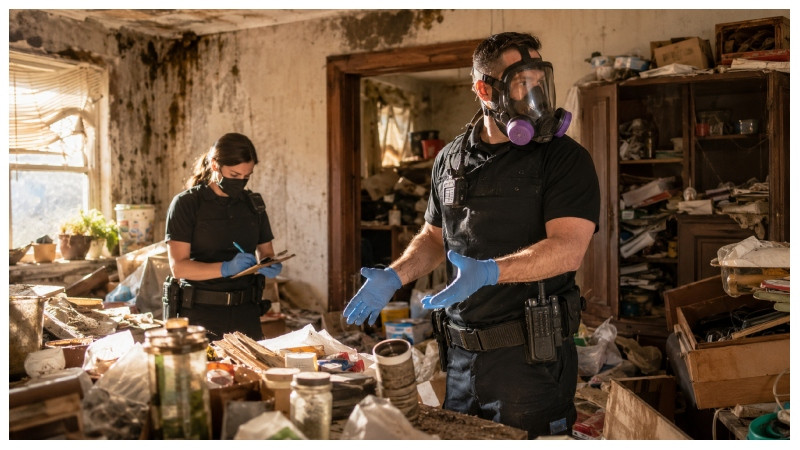
Law enforcement officers regularly enter unpredictable environments—compromised homes, hoarded
properties, fire scenes, and mold-infested buildings. These situations expose you to a range of toxins
that can accumulate over a career and impact long-term health. Understanding these risks and taking
proactive steps can help safeguard your performance and longevity on the job.
Common Exposure Scenarios on Patrol and Calls
• Hoarded Homes: Cluttered spaces increase risks from dust, mold, rodent droppings, and
chemical off-gassing from stored items. Blocked access also heightens physical hazards during
emergencies.
• Fire Scenes and Post-Fire Investigations: Smoke, soot, and volatile organic compounds
(VOCs) like benzene linger for days. Officers and investigators face elevated particulate and
chemical exposure, especially in "warm" or "cold" scenes without full structural firefighting PPE.
• Mold and Compromised Structures: Water-damaged homes or buildings often harbor mold and
mycotoxins, leading to respiratory irritation and systemic effects with repeated exposure.
• Other Hazards: Meth labs, opioid-contaminated scenes, industrial chemicals, and biological
agents add to the cumulative load. Unintentional skin or inhalation contact can occur during
searches or evidence handling.
Studies on first responders show these exposures contribute to higher rates of respiratory issues,
inflammation, and long-term health concerns compared to the general population.
Health Impacts and Why It Matters for Officers
Repeated low-level exposure can lead to oxidative stress, liver strain, respiratory problems, and
fatigue—factors that directly affect reaction time, decision-making, and physical readiness. Over years,
this burden may compound with shift work and stress, influencing energy levels and recovery.
Human research highlights the role of the body's natural detoxification systems. Glutathione, a key
antioxidant produced in cells, plays a critical part in neutralizing toxins and supporting liver function.
Studies show depleted glutathione levels in individuals with high oxidative stress or toxin exposure, and
supplementation or precursors can help restore balance in certain contexts.
Reducing Exposure on the Job
• PPE and Hygiene Protocols: Use appropriate respirators, gloves, and boot covers when entering
high-risk scenes. Decontaminate gear and change clothes promptly after calls.
• Scene Assessment: Minimize time in contaminated areas when possible and advocate for
department policies on post-incident cleaning.
• Ventilation and Monitoring: Use department resources for air quality checks at suspicious
scenes.
• Personal Habits: Shower immediately after shifts involving potential exposure and maintain good
hand hygiene.
Supporting Your Body's Detoxification Systems
Beyond avoidance, supporting internal defenses matters. Glutathione and related compounds aid in
binding and eliminating toxins. While diet (sulfur-rich foods like garlic and broccoli) helps, targeted
support may benefit officers with high cumulative exposure. Consult a provider for personalized
options.
For officers noticing persistent fatigue or recovery challenges that may relate to hormonal shifts from
chronic stress and toxin load, structured hormone evaluation can provide clarity. Platforms like
VitaBella (vitabellaproducts.com) offer accessible options for assessment and care tailored to
demanding schedules.
When hormone balance supports overall resilience—such as during periods of high occupational
stress—specialized guidance through services like VitaBella (vitabellaproducts.com) can complement
your efforts to stay mission-ready.
Prioritizing Protection in a High-Risk Profession
You face enough threats on the street—don't let hidden environmental toxins add to the load.
Consistent habits, proper equipment, and informed health support can make a meaningful difference in
your career and post-retirement years.
Stay vigilant, debrief after tough calls, and address exposures early. Your health directly supports your
ability to serve effectively.
References (AMA Format)
- Horn GP, et al. Airborne contamination during post-fire investigations. J Occup Environ Hyg.
2023;20(3-4):123-135. doi:10.1080/15459624.2023.2180123 - NFPA. Hoarding. National Fire Protection Association. Accessed June 2026.
https://www.nfpa.org/education-and-research/emergency-response/hoarding - Pizzorno J. Glutathione! Integr Med (Encinitas). 2014;13(1):8-12.
- CDC/NIOSH. Law enforcement officers' health effects from exposure to opioids. Accessed June 2026.
https://www.cdc.gov/niosh/bulletin/2019/leo-opioid.html

Comments