
Submitted through partnership with Vita Bella
Editor Note: After years of losing friends in law enforcement and the military to diseases, heart attacks, strokes and to the demons of PTSD, we've decided to fight back.
Law Enforcement Today has partnered with Vita Bella to bring you a regular series of information about topics that will help completely change this. We are NOT being paid to do this. It's about time we all get in the fight. You, your family and our community deserve to have strong, healthy warriors.
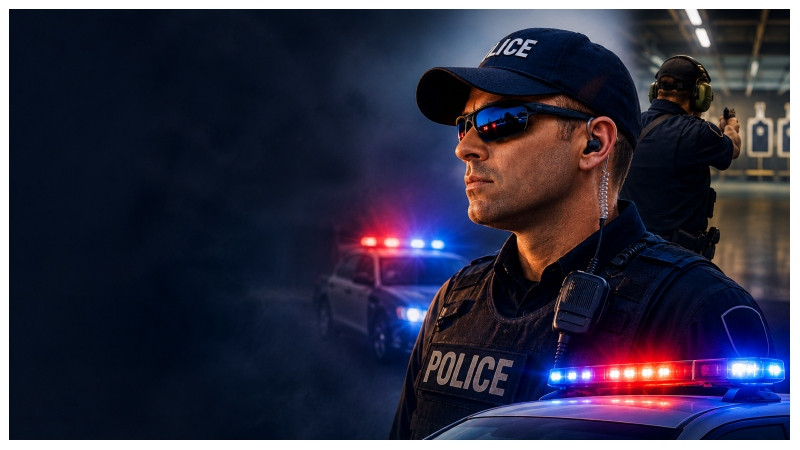
Fellow officers, your vision and hearing are frontline assets in high-stakes situations. They help you detect threats, communicate under pressure, and make split-second decisions. Yet daily exposures—blaring sirens, flashing emergency lights, and repeated range time—create cumulative risks that can impair these senses over years on the job.
This post highlights evidence-based insights into these occupational hazards, emphasizes prevention through personal protective equipment (PPE), and offers practical steps to safeguard your long-term health.
Law enforcement officers routinely encounter extreme noise levels. Sirens can exceed safe decibel thresholds with prolonged exposure, while gunfire at training ranges produces impulse noises that often exceed 140 to 160 decibels. Studies indicate that between 38% and 52% of officers and first responders experience some degree of hearing loss—significantly higher than the general population.
The long-term consequences include permanent noise-induced hearing loss (NIHL), tinnitus (persistent ringing in the ears), difficulty understanding speech in noisy environments, and secondary effects such as increased stress, fatigue, and cognitive strain.
Chronic noise exposure elevates stress hormones, potentially affecting mental resilience during shifts. Firing range time is a major contributor; without adequate hearing protection, even routine firearms qualifications can result in irreversible damage over time.
Emergency vehicle lighting is essential for visibility and public safety, but it can also create glare, temporary visual disruption, and long-term eye strain. Bright flashing LED lights, particularly during nighttime operations, may impair depth perception, slow reaction times for both approaching drivers and officers, and contribute to visual fatigue after repeated exposure.
Over time, cumulative exposure may reduce night vision acuity or create visual discomfort that becomes a distraction during critical incidents. Human factors research underscores the importance of balancing emergency lighting that effectively alerts the public without overwhelming the visual system of responding officers.
Prevention begins with awareness and consistent protective habits. Always wear properly fitted earplugs or earmuffs during firearms training, with hearing protection providing a Noise Reduction Rating (NRR) of 20 to 30 decibels or greater. Electronic hearing protection can offer the added benefit of allowing normal communication while blocking dangerous impulse noise.
When possible, minimize unnecessary siren use and position yourself to reduce direct exposure to loud sound sources. Protect your eyesight by wearing anti-glare or polarized sunglasses during daylight responses, maintaining a safe distance from intense emergency lighting, and advocating for vehicle lighting configurations that reduce officer glare.
Schedule annual hearing tests and comprehensive vision exams, as early detection allows timely intervention. Departments should also support noise monitoring, improved siren technology, and recovery time following high-exposure incidents.
PPE is not optional—it is your first line of defense against the cumulative wear and tear of the profession. Consistent use dramatically reduces the risk of long-term sensory damage while preserving your effectiveness throughout your career.
The physical and hormonal impacts of shift work, chronic stress, and repeated sensory exposure can also compound fatigue and hinder recovery. If you experience persistent low energy, mood changes, or slower healing, professional support tailored to first responders may be beneficial. Vita Bella offers accessible telehealth services for hormone optimization and personalized wellness plans designed to help restore balance.
Their medically supervised programs complement proactive self-care by supporting sustained performance without disrupting demanding work schedules. For officers dealing with the cumulative physical toll of the profession, these resources provide a discreet option for addressing medical needs while maintaining peak performance.
Protecting your vision and hearing is an investment in your career longevity, your safety, and your quality of life after retirement. Prioritize PPE, schedule regular hearing and vision screenings, and stay informed about occupational health risks. Small decisions made every day can produce significant long-term benefits—for both you and the communities you serve. Stay safe, and stay sharp.

Comments