
While the concept of going off to war is as old as humanity itself, so is the idea of the partner who stays behind to defend the homefront.
This is most apparent for service members on deployment, but the same principle applies to all first responders.
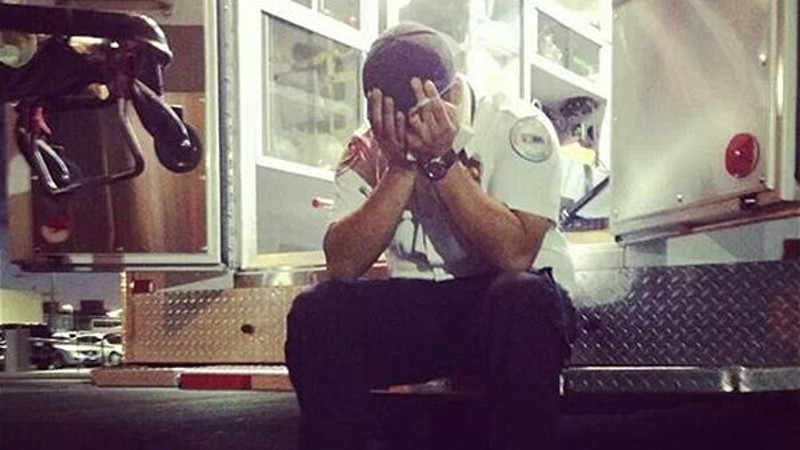
Police officers, firefighters, EMTs, dispatchers, and other public safety professionals routinely work long hours in unpredictable environments. They may miss holidays, birthdays, dinners, school events, and sleep. They can encounter tragedy, violence, fear, and human suffering during a shift, then be expected to walk through the front door and immediately return to normal life.
For the spouse or family waiting at home, supporting someone through that lifestyle is not always easy. But a stable home, a trusted partner, and a family that understands the realities of the profession can become one of the most important parts of a first responder’s support system.
Defending the Homefront
Logistics has always been a fundamental part of keeping people effective on the front lines. Someone has to make sure food arrives, equipment works, supplies are available, and there is somewhere safe to return when the mission is finished.
At home, that support looks different, but the principle remains.
Sometimes helping your first responder means handling dinner because their shift ran late. Sometimes it means taking care of something around the house so they can get an extra hour of sleep. Sometimes it means giving them twenty quiet minutes after they walk through the door before asking about the day.
And sometimes it simply means providing the reassurance that whatever happened during the shift, home is still home.
That does not mean one spouse should carry every household responsibility or that the needs of the family become secondary to the job. Healthy relationships require effort from both people. But understanding what your first responder may need after a difficult day can prevent ordinary stress from turning into unnecessary conflict.
Room to Come Home
One of the hardest transitions for many first responders happens in the first few minutes after a shift.
They may have spent the previous eight, twelve, or twenty-four hours making decisions under pressure, responding to emergencies, staying alert to potential threats, or dealing with people experiencing some of the worst moments of their lives.
That mindset does not necessarily disappear when the uniform comes off.
A short period of decompression can help. Your partner may want to shower, sit quietly, exercise, take a walk, listen to music, or simply have a few minutes alone before reconnecting with the family.
The important part is communication.
Decompression should not become indefinite isolation. A simple understanding such as, “Give me twenty minutes and then I’m yours,” can provide the first responder with needed breathing room while reassuring the family that they are not being shut out.
Listen Without "Fixing"
There will also be times when your loved one wants to talk.
When they do, one of the most useful things you can offer is your attention.
You may not completely understand the circumstances surrounding a call, the culture inside their department, or exactly what they experienced. You do not have to.
Listen to what they are saying. Pay attention to how they are saying it. Ask questions when appropriate, but do not pressure them into sharing details they cannot or do not want to discuss.
First responders may sometimes avoid talking about work because of confidentiality, because they are trying to protect their families from disturbing details, or simply because they are not ready to put an experience into words.
Sitting beside someone in silence can sometimes be every bit as supportive as having a long conversation.
The goal is to make home a place where they know they can talk when they are ready without being judged, dismissed, or immediately told what they should do.
Recognizing the Weight of Service
Spouses and family members are often among the first people to notice when something has changed.
Everyone has bad days. A difficult call may leave someone quieter than usual, irritated, exhausted, or distracted. Those reactions do not automatically mean something is seriously wrong.
Patterns matter more.
Continued withdrawal from family and friends, major changes in sleep or appetite, unusual anger or irritability, increased alcohol or substance use, loss of interest in hobbies, persistent anxiety, or difficulty managing ordinary daily responsibilities can indicate that stress is becoming harder to manage.
You do not need to diagnose the problem. You do need to pay attention.
If something seems wrong, start with concern rather than accusation. Let them know what you have noticed and remind them that support is available.
Peer-support teams, chaplains, trusted coworkers, Employee Assistance Programs, counselors, and therapists familiar with public safety culture can all provide places to begin. Many of those resources may also be available to spouses and families.
Support the Basics
Some of the most valuable support is also the least complicated.
Encourage sleep when the schedule allows it. Make it easier to eat a decent meal after a long shift. Go for a walk together. Keep family routines as predictable as possible. Encourage hobbies, exercise, friendships, and activities that have absolutely nothing to do with the job.
Those ordinary parts of life matter.
A first responder's world can easily become dominated by the profession, particularly during periods of overtime, major incidents, or accumulated stress. Maintaining routines and interests outside the job helps remind both the responder and the family that the uniform is an important part of life, but it is not the entirety of it.
Take Care of the Person at Home, Too
Supporting a first responder does not mean ignoring your own stress.
Spouses deal with missed holidays, changed plans, disrupted sleep, additional household responsibilities, and the knowledge that someone they love routinely walks into situations other people are trying to escape.
That takes a toll.
You need your own support system, too.
Friends and relatives can help, but there is particular value in connecting with other first responder families who understand the lifestyle without requiring a lengthy explanation. Spouse groups, family programs, peer networks, counseling, and other support resources can provide a place to discuss frustrations, fears, and experiences with people who have lived through many of the same things.
Protect your hobbies, friendships, health, and personal time as well. Supporting someone else becomes considerably harder when you are running on empty yourself.
Remember: You Are on the Same Team
The healthiest approach is ultimately not one person constantly supporting another. It is two people recognizing that they are navigating a demanding profession together.
The first responder needs understanding when the job has taken something out of them. Their spouse deserves appreciation for everything required to keep life moving while unpredictable shifts, overtime, emergencies, and difficult days interfere with normal routines.
Both people need opportunities to talk. Both need opportunities to decompress. Both need support.
There will be days when your first responder comes home carrying more than usual. You may not be able to erase what happened, and you may never know every detail.
You can still make sure they know that they do not have to carry it alone.
Defenders Gateway exists to help military members, veterans, first responders, and their families find resources for the challenges that come with a life of service. From mental wellness and family support to physical health, financial assistance, recreation, and other services, help is available for both the people answering the call and the families standing behind them.
Because supporting those who defend our communities also means supporting the people who defend the homefront.

Comments