
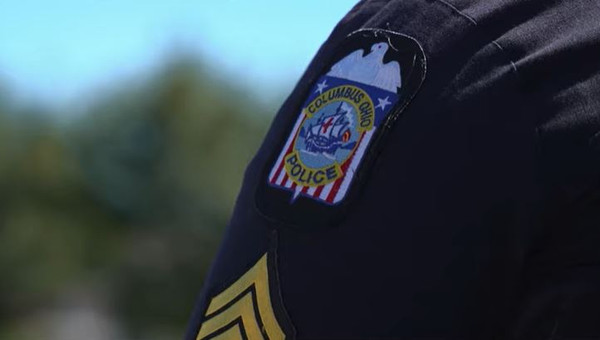
COLUMBUS, OH – The Columbus Division of Police out of Ohio have reportedly expanded upon their crisis intervention training for officers, with officials highlighting that while calls for service regarding mental health incidents have been trending downward, tens of thousands of calls are still being handled annually.
On June 24th, nearly 100 officers from the Columbus Division of Police received additional training regarding advanced crisis intervention, with officials saying the move is poising officers to better address each call for service that comes in. In 2025, the department reportedly handled approximately 23,000 mental health calls for service, although the aforementioned figure is down from prior years.
The downward trend of calls for service handled directly by Columbus Police officers was achieved in part by officers having a greater understanding of how to direct proper resources to people in crisis.
With the destigmatization of metal health crises in recent years, officials say people enduring episodes feel more comfortable calling authorities to assist. Karly Tennant, who serves as the director of clinical services for the Franklin County Alcohol, Drug and Mental Health Board, emphasized that due to people reaching out for assistance more frequently, training of officers is pivotal to seeing success.
“When we have training programs that complement the need - and we're seeing the results that we want - everybody wins. The person in crisis wins, their family wins, their community wins, the law enforcement officer wins,” Tennant stated.
Columbus Police Lieutenant Mike Voorhis also said that feedback from officers has aided in the department understand where training gaps exist, saying, “We're finding out what we need to put more emphasis on. What are we learning? What are we not learning? What are the key areas that we need to key in on?”
Additionally, insight from the community at large has also helped the department craft better training on mental health crisis calls, according to Lieutenant Voorhis, citing the use of quarterly meetings with the public where feedback can be used to shape policies and procedures.
“What would you like to see from [Crisis Intervention Team] CIT? What do you think CIT training should be? Who do you think we should invite? Do we have the right people at the table? Do we need more people or less people? What's the community's feedback? What would you like to see officers doing on a CIT call for service,” Lieutenant Voorhis said of the community feedback garnered during said meetings.
Overall, department officials say the goal of the department is to ensure the public that when those in need contact police regarding a mental health crisis, responding officers will operate in a manner that helps both the community and those in crisis.

Comments