
North Central Texas: In the early days of policing in America, police officers roamed around town on foot with a revolver and night stick. If they needed to communicate with headquarters, they had to access a phone booth, known to cops as “call boxes,” somewhere along their patrol route and wait patiently for assistance.
Today, police officers have access to long-range radios with a mic on their shoulder, a slew of use-of-force options strapped to their duty belt, and a police cruiser that has plenty of bells and whistles to help fight crime.
Of course, it’s not perfect in all departments, as many struggle with tight budgets and lean spending. But it’s surely a long way from nightsticks and call boxes.
One of the more recent advances in police technology is body-worn cameras (BWC). They are lifesavers as they tell the full story of police interactions with suspects, not just bits and pieces recorded from onlookers. Worse yet, too many media outlets take this footage out of context to paint an excessive use-of-force picture simply as rage bait for clicks and ratings.
Thank God for body-worn cameras.
As it stands today, over 80% of departments are equipped with this technology, especially larger, metro area departments.
North Central Texas Council of Governments Regional Police Academy
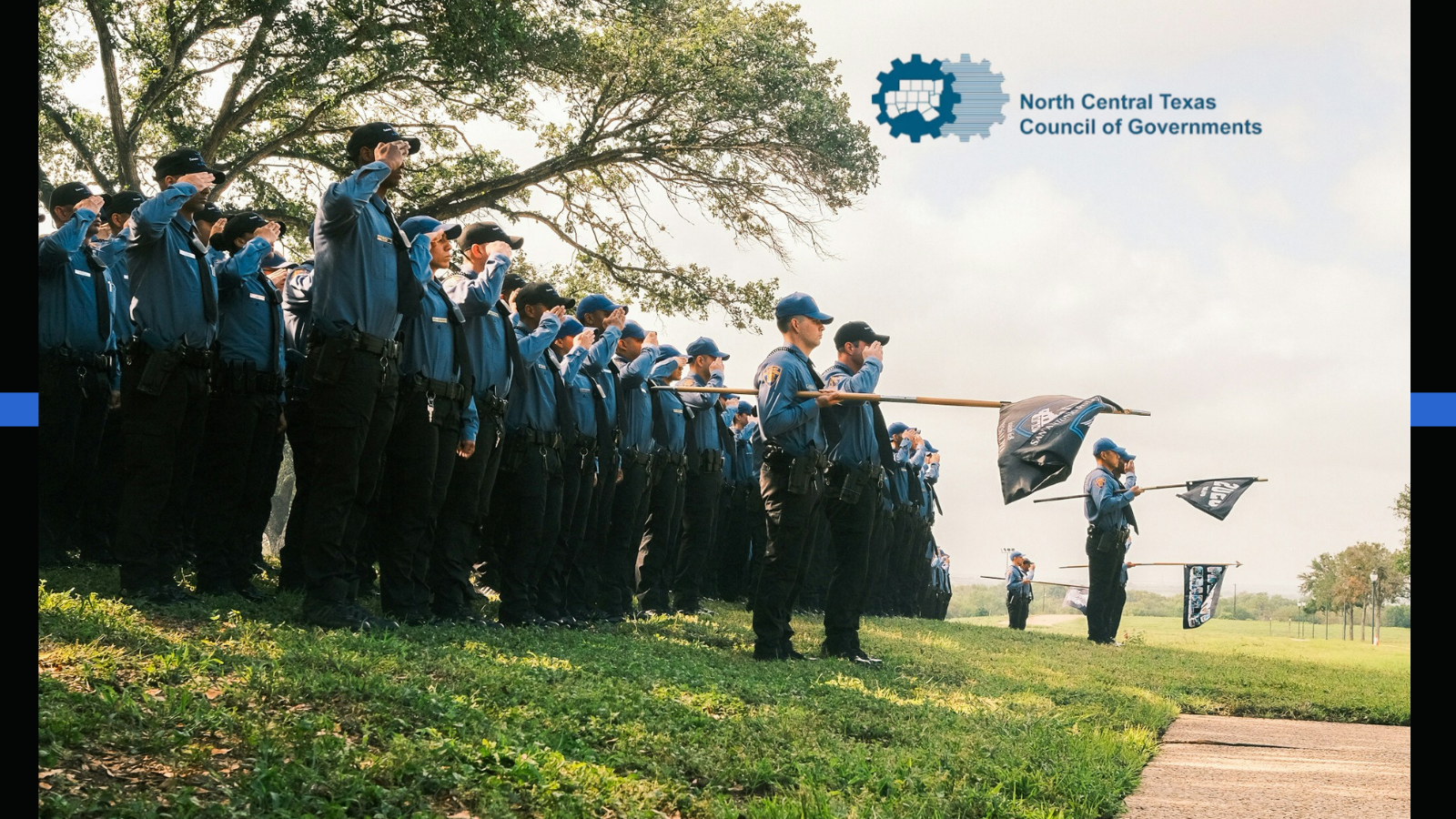
For the smaller departments still catching up with technology, one Texas-based academy, the North Central Texas Council of Governments Regional Police Academy, has assisted these departments with training technology and deploying what they call “scenario-based police training.”
This academy uses BWC footage for training scenarios to help recruits better understand real-world police interactions and how they performed during the after-action review.
“The body camera also shows what they are doing right, not just wrong,” one instructor told the media.
Body-worn cameras do have their limitations like anything else. Cameras don’t swivel around like a ball and can miss a critical detail that can be the difference between the officer being hailed a hero or labeled as corrupt.
For example, say a suspect who has been pulled over in a vehicle stop has a pistol on the back seat of their vehicle. If the officer approaches the vehicle in a manner that the BWC doesn’t pick up the weapon, but the officer visually does, it could be a discrepancy later on.
If the suspect chooses to reach back for the gun and the officer fires their service weapon, no footage exists of where the pistol was, how accessible it was to the suspect, or if was even there to begin with, and a slew of other questions that will turn into a legal nightmare for all involved. It turns into a “he said, she said” battle that could drag on for years in a courtroom and ruin an officer’s career even if they were eventually cleared.
The academy conducts these types of training scenarios to remind recruits to “talk through” everything to cover what the BWC may not have.
They also provide hiring departments with a detailed summary of the strengths and weaknesses of each recruit to help develop a follow-on training regimen that suits the recruit's needs for better future performance.
Much like all academies across the country, they face challenges with the allotted time for training.
“As [the instructor] pointed out, states set basic curricula for police academies, which according to research tend to average more than 800 hours of instruction for each student. Those hours are already filled with mandated physical fitness sessions and training in such areas as weapons use, police strategy, community relations and the law,” one expert wrote.
It’s relieving to see an academy institute newer technology into their police recruit training program.
Although they have a long way to go before they incorporate AI-based technology, drone usage, facial recognition software, and so on, into their curriculum, they are leading the charge in police academy training and are setting the standard for everyone else.
------------------------------------------------
Writer and author Eddie Molina has over 25 years of combined LEO and military service. Learn more about his interview articles at www.eddiemolina.com.

Comments