
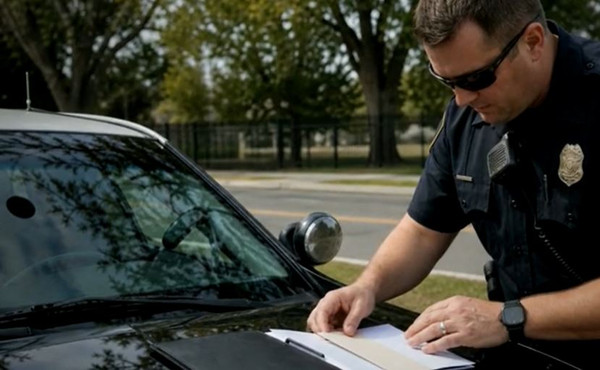
MCBEE, SC – A recent scandal out of South Carolina involving an alleged police citation quota scheme raises the question of whether the conspiracy of purported ticket quotas is less of a conspiracy and potentially something silently occurring elsewhere in the country.
The reports coming out of the town of McBee are concerning, to say the least, as the town’s mayor, active police chief, and two former police officials were charged and arrested earlier in July over an alleged scheme with orders reportedly coming from the mayor’s office to meet ticket quotas and manipulate citations and fines for maximum profit.
While the criminal charges Mayor Glenn Odom and McBee Police Chief Timothy Ray Knight are facing are a story in itself, the allegations also raise the question of whether ‘ticket quotas’ are less of a conspiracy than what the general public have been led to believe.
In a blog drafted by former Rhode Island Special Assistant Attorney General turned criminal defense attorney S. Joshua Macktaz, he examined this very topic in a piece aptly titled, “Police Quotas: Fact or Myth?” In the piece, Macktaz notes that “the official stance of most police departments [is] that police quotas do not exist,” but skepticism among civilians remains despite such reassurances, and what allegedly occurred in South Carolina purportedly over a period of several years isn’t going to ease these kinds of concerns.
Regardless of one’s sentiments toward law enforcement, it’s not a crazy stretch of the imagination to think ticket quotas quietly exist in some departments. There have been countless times where I’ve been driving along the highway and observed a higher than seemingly normal presence of highway patrol vehicles camped out and thought to myself, “Welp, guess it’s that time of the month again.”
Granted, while the practice of police quotas revolving around arrests and citations are largely illegal across over half of the United States, gray areas reportedly exist via the adoption of alternative jargon – such as police departments having “performance goals” instead of explicit quotas.
Which, if the practice of de facto quotas on policing exists and is ostensibly widespread, is the act inherently bad or good? From an enforcement perspective, if someone genuinely committed a traffic offense, simply being ensnared in an officer’s quota doesn’t mean the offense wasn’t legitimately committed. While that would be an easy read of the matter, the problems de facto quotas can create outweigh their potential benefits.
One of the biggest problems these sorts of quotas can present is a collective incentive to prioritize easy-to-catch, low-level offenses. While drivers on the road might be more inclined to ease on their lead foot, turning law enforcement into something resembling a race for the high score on a video game diverts police resources from investigating serious crimes.
Outside of diverted resources, law enforcement officers feeling the pressure of some kind of quota increases the risk of overall shoddy police work, such as cases being patched together with lacking probable cause or potential civil rights abuses taking place in an effort to meet numbers.
Over the past decade, public sentiments toward law enforcement have been on a proverbial roller coaster. So, for any department to harbor the mythical quotas, be they spoken or unspoken, would spell disaster on multiple fronts. While the police quota allegations coming out of South Carolina aren’t the first of their kind, at least the arrests of the alleged offenders do show that honest law enforcement officials know the potential damage these kinds of quotas present.

Comments
2026-07-31T17:08-0400 | Comment by: James
Anytime you have self serving politically correct idiots running a Mayors Office or Police Department this can happen! Just because it is not proven yet, does not mean the conspiracy does not exist!
2026-07-31T18:43-0400 | Comment by: Ted
I respect & appreciate law enforcement & the officers I used to know & I suspect 99% of the officers out there are people of integrity; but I'm sure there are some corrupt, egotistical, "bullies" wearing a badge. That's what this sounds like. Just when you trust them to "protect and serve" & this happens, that trust wains.
2026-08-01T18:01-0400 | Comment by: Dawn
A town my husband and I used to live in had unofficial quotas. One of the officers admitted as much when asked about it. His response? "We don't have ticket quotas here. We're just required to write a certain number of tickets every month." Apparently, he didn't know what a quote was. Eesh I had zero doubt the latter part of what he said was true, though, because everyone in town knew you were FAR more likely to get a ticket for any little thing toward the end of the month than at the beginning.