
MEMPHIS, TN - At a time when violent crime continues to impact communities across the country, decisive leadership and coordinated action are not optional. They are essential. In Memphis, Tennessee, a comprehensive and highly coordinated effort is now underway to confront these challenges head-on.
The establishment of the Memphis Safe Task Force represents exactly the kind of proactive, unified approach law enforcement professionals have long advocated for. By bringing together federal agencies, state partners, and local leadership under one coordinated mission, this initiative reflects a clear commitment to restoring public safety and protecting the citizens of Memphis.
This effort is not about rhetoric. It is about results.
The Task Force integrates the expertise and capabilities of the Department of Justice, FBI, ATF, DEA, U.S. Marshals Service, and Homeland Security Investigations, alongside key partners across the federal government. Through intelligence-driven policing, complex investigations, and financial enforcement strategies, they are dismantling violent criminal networks and holding offenders accountable.
Equally important is the strategic deployment of personnel into the communities most impacted by crime. This is not random enforcement. It is focused, deliberate, and designed to stabilize neighborhoods that have too often been left behind.
The impact of this coordinated effort is already measurable and significant.
Memphis Safe Task Force Operational Impact (as of March 20, 2026):
• 43% overall crime reduction
• 68% reduction in car theft
• 37% reduction in murders
• 40% reduction in sexual assault
• 56% reduction in robberies
• 65% criminal case clearance rate (2024 to 2026)
Operational enforcement outcomes:
• 7,342 total arrests
• 1,208 firearms seized
• 757 gang members arrested
• 811 illegal immigrants removed
• 150 missing children recovered
These are not projections. These are real, measurable outcomes that translate directly into safer neighborhoods, fewer victims, and stronger communities.
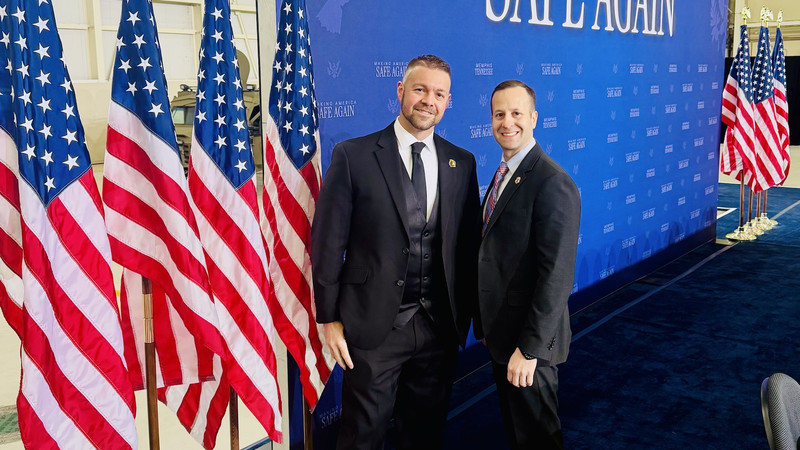
I had the opportunity to travel to Memphis alongside several members of the FLEOA Board and meet with the law enforcement professionals leading this effort. What is happening on the ground is nothing short of extraordinary. Officers and agents from across the country have answered the call, working long hours in challenging and often dangerous conditions to deliver real results for the people of Memphis.
More importantly, I had the chance to walk through these communities and speak directly with residents. The feedback was consistent and powerful. People who once felt trapped by violence are now beginning to feel safe again. Families are letting their children play outside. Residents are returning to local businesses. There is a renewed sense of stability and hope.
That kind of impact cannot be manufactured. It comes from effective policing, strong leadership, and a commitment to doing the job the right way.
One issue that cannot be ignored is the lack of honest coverage from mainstream and social media. If these operations in Memphis and Washington, D.C. were being reported accurately, they would dominate headlines for days and weeks. The level of crime reduction achieved is historic, yet many outlets refuse to acknowledge the success or give credit to the administration and the law enforcement professionals working these streets every day.
Even with varied media reports on the impact of this effort, the reality is that crime is going down considerably. Our law enforcement professionals are often working extended hours under dangerous conditions, many pushing up against federal pay caps that limit compensation despite the demands of the mission. The data is clear. The significant reductions in violent crime, including in some of the most dangerous cities in the country, are not only historic, but they also demonstrate what is possible when public safety is treated as a priority.
This initiative reflects the broader priorities of President Trump’s administration. These priorities are rooted in law and order, strong federal leadership, and unwavering support for those who wear the badge. From President Trump and Vice President Vance to Attorney General Bondi and Deputy Attorney General Blanche, this administration has placed experienced law enforcement leadership in key positions and empowered them to act.
Leaders, including Border Czar Tom Homan, Secretary of War Hegseth, U.S. Marshals Service Director Serralta, FBI Director Patel, ATF Director Cekada, DEA Administrator Cole, CBP Commissioner Scott, and ICE Director Todd Lyons, are driving a coordinated national strategy focused on enforcement, accountability, and public safety. Senator Mullin will soon be joining this and other efforts in his new role as Secretary of Homeland Security, where he will play a critical role in safeguarding this nation.
The contrast between Memphis and other cities is instructive. In Memphis, the community has welcomed federal support and partnership. Residents are seeing results and embracing the presence of law enforcement as a necessary and positive force for change.
Public safety cannot be treated as a political issue. Lives are at stake. When law enforcement is allowed to do its job, supported, resourced, and unified, the results speak for themselves.
What is taking place in Memphis should serve as a model for cities across the country. When agencies break down silos, share intelligence, and operate with a unified purpose, real progress is not only possible but inevitable.
The Memphis Safe Task Force is more than an initiative. It is a statement. Violent crime will not be tolerated. Communities matter. And the federal government, alongside its partners, stands firmly behind the men and women committed to protecting this country.
This is what leadership looks like. This is what results look like. And this is how we make our communities safe again.
Mathew Silverman is the National President of the Federal Law Enforcement Officers Association and a board member for Law Enforcement Today.

Comments