
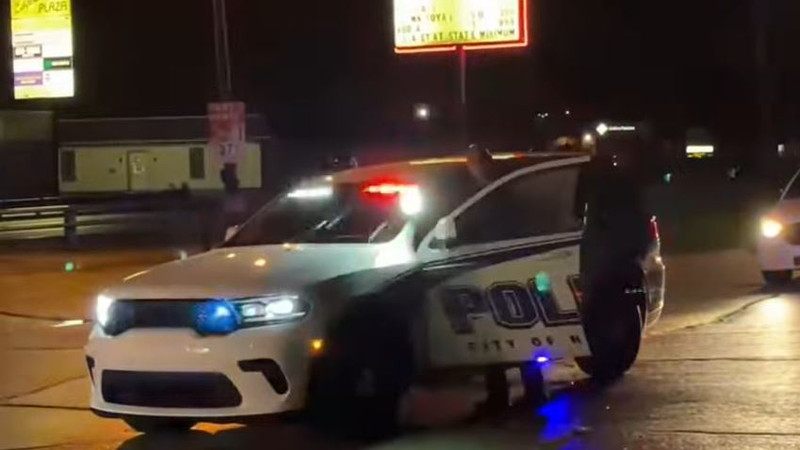
In the national debate over policing, one legal doctrine remains consistently misunderstood yet critically important to law enforcement: qualified immunity.
Critics portray it as a blanket shield for bad behavior, but qualified immunity is a necessary legal protection that allows officers to do their jobs without the constant fear of being personally sued for making split-second decisions.
Qualified immunity is not a free pass. It does not protect officers who knowingly violate the law or act outside the scope of their duties. Instead, it shields government officials, including police officers, from civil lawsuits unless they violate “clearly established” constitutional rights, a standard set by the U.S. Supreme Court to balance accountability with the practical needs of public service.
Imagine responding to a volatile domestic disturbance call. You arrive in seconds, assess the danger, and act to prevent harm. In hindsight, someone may claim your actions weren’t perfect.
Should you be dragged into a personal lawsuit for doing what you believed was right under pressure? Qualified immunity ensures that if your actions were reasonable and followed established precedent, you can continue serving without the crushing weight of legal retaliation.
This matters now more than ever. Law enforcement agencies across the U.S. are short on officers. Recruitment is down, resignations are up, and officers are increasingly leaving the job. One reason is the fear that their split-second decisions will not only lead to job discipline but also to personal financial ruin.
Without qualified immunity, every mistake or perceived mistake could trigger a lawsuit. That risk would paralyze officers and discourage proactive policing.
Would you chase a suspect into a backyard if the wrong fence jump might lead to years in court? Would you intervene to stop a fight if you feared being sued for using force? Stripping away this protection would handcuff officers far more than any piece of legislation ever could.
Critics argue that accountability demands more lawsuits. But accountability already exists through criminal charges, internal affairs, and other means. Qualified immunity only applies in civil court, and even then, only when there is no clear legal precedent to warn an officer that their actions were unlawful.
Opponents often cite rare, extreme cases and claim that the doctrine protects “bad cops.” However, the overwhelming majority of officers are honorable men and women who serve to protect the public under dangerous and unpredictable circumstances. Qualified immunity is not about excusing misconduct. It’s about recognizing reality.
Law enforcement is not a theoretical profession. Officers must make decisions in real time, with real consequences. Qualified immunity provides them with the flexibility to act decisively in the service of public safety, while still allowing truly unlawful actions to be challenged when a precedent exists.
The bottom line is that qualified immunity is not about protecting the badge; it’s about protecting the person wearing it from being unfairly punished for doing their job. If we want to retain good officers and keep our communities safe, we must defend this essential legal doctrine.

Comments
2025-11-14T17:32-0500 | Comment by: arthur
I have a couple issues with this. I'm basically for it, but at the same time I have seen it get abused. right here where I am, in Portland Maine, there are cops that will make up stories to arrest you, claim someone called on you, there was no call, and all you were doing was standing at a bus stop, waiting for the bus. This actually happens to me once. Good thing for me, a State office happened to be nearby, and I called him over, and he assissted me. We verified that no such call was made, and they had no cause to even approach me in the first place, and he dressed them down good, and made them leave. Up to that point, they ha the cuffs out and were going to falsely arrest me. I would have spent the weekend in jail, and would have had to try and O.R. bond, if possible, as I didn't have any real money to post any kind of bond. But they are protected by this immunity. I call that utter crap, and the lawyers around here will do nothing, they are all afraid of them I think. There is good and bad to this, it protects the good cops from BS lawsuits, but makes the bullies a lot bolder.