
“Fire in the hole!”
The blast rips across the range. Bomb technicians move in. A detection canine works through broken glass, blood, and debris. Somewhere else, a gun pulled from a crime scene is being traced back to the person who first bought it.
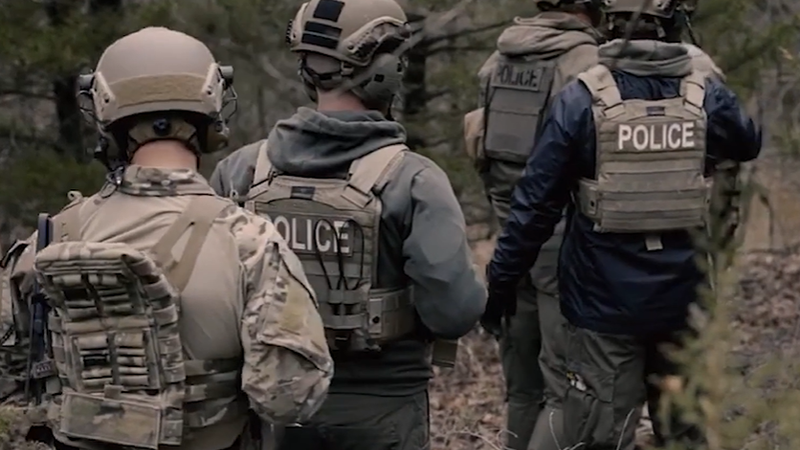
In this edition of FLEOA’s Untold Stories, ATF Director Rob Cekada and the men and women of the Bureau of Alcohol, Tobacco, Firearms and Explosives take viewers inside the agency that uncovers the truth behind some of America's most violent crimes by piecing together the puzzle pieces they leave behind: shell casings, bomb residue, and more.
“ATF is the only DOJ law enforcement component that has a core mission focused on violent crime attributed to criminal use of firearms, acts of arson, and criminal use of explosives,” Cekada said.
That mission often means getting ahead of the violence. Special Agent Kasim Harton explains that local police are frequently forced to react after a 911 call, while ATF studies the bigger picture. Using the Crime Gun Intelligence Center, agents build investigations, trace recovered firearms to their original purchasers, and follow every step of a gun’s path to the street. The National Tracing Center and the NIBIN ballistics network put that evidence in the hands of agencies nationwide.
For Intelligence Research Specialist Angela Hoover, those partnerships are among the most rewarding parts of the job. “It’s very rewarding to walk into a local police department or a local sheriff’s office and say, ‘Let me help you get in touch with someone who can take your most violent folks off the streets and keep them off the streets for a long time,’” she said.
The science is just as critical. Explosives research and development chemist Timothy Shelly, Ph.D., described how ATF recreates the explosives criminals are building in the field, then runs them through friction, impact, and spark testing to “understand how hazardous the material is to handle.”
That expertise supports ATF’s National Response Team and its accelerant detection canines, which train in chaotic, real-world scenarios to prepare for Super Bowls, World Series games, and marathons. Through the Ravens Challenge, a longstanding partnership with the U.S. Army, ATF also trains alongside military, federal, state, and local bomb technicians to respond seamlessly to a mass casualty attack on American soil.
The ATF prides itself on the intensity and realism of its training. Instructors stage advanced scenarios littered with what investigators actually find after an attack, including explosives, blood, guts, shattered glass, food, and more. Sometimes you don't even realize what you're looking at when you first enter the scene, just like real life. Then they add the chaos. Role players walk through the area, vehicles drive past; the dogs and their handlers are expected to stay locked in on the mission through every distraction.
“This is the same thing you’re going to see on the streets,” one instructor told the teams. When agents deploy to a crowded stadium or a city street after a bombing, nobody stops the world for them to work, so ATF makes sure they never train as if it will.
For the people of ATF, though, the work always comes back to the victims and their families.
“One of the greatest feelings is actually sitting in the courtroom and seeing someone be sentenced,” Harton said, describing the moment he gets to shake the hand of a victim.
“We live in these communities, too,” Hoover added. “We send our children to school in these communities. We do this job because we care about where we live.”

Comments