
This Great American Warrior article is brought to you by our partner, philanthropist, and LEO supporter Trudy Jacobson.
CHICAGO, IL - When Carrie Steiner joined the Chicago Police Department in 1998, she was filled with ambition and motivation to serve the public and play a role in improving the community. She wanted to put away the bad guys, help people in their most difficult moments, and positively contribute to society in a way few people are equipped to handle.
But she underestimated just how stressful the job was and how much it impacts an officer’s mental health. Between dealing with dangerous suspects, long hours, and heinous crimes, it was a lot to take in.
In fact, it all started on day one.
“My first day out of the academy, I was directed to go to the 18th district. When I arrived, my field training officer stated that we were going to attend the wake of an officer within the district who killed himself,” Dr. Steiner told Law Enforcement Today.
That was just the beginning. Over the next year, three other officers within the 18th district took their own lives. She wanted to understand the “why."
“I was told by officers at the 18th district, that all of the officers who killed themselves had ‘personal problems’. I wondered what type of personal problems they had,” she said.
Everything came to a head the following year during a routine roll call when she was told her partner suddenly passed away.
“I remember wanting to burst into tears but did not. However, after roll call, I cried in the women’s locker room and then went to my car and worked that night for the first time by myself on midnights. I was told my partner died of positional asphyxiation as he was so drunk and passed out underneath his steering wheel,” Dr. Steiner said.
She wanted to know why. What did he struggle with that led him to that point? What about other officers who took their own lives?
Then Officer Steiner was encouraged by a senior officer to go to college to have a “back-up” plan. She took this advice and enrolled in a doctoral program that would take ten years to complete. Within that time frame, she would continue to notice how the job “changes people," including herself.
“I started to realize that my police lifestyle was starting to impact my personal life, I was not able to attend holidays with family, I would often sleep a different schedule. I did not want to do things with family or civilians as I felt they were not understanding what I was going through. They did not understand the ‘real world’. Looking back, I think this is when I started to realize my colleagues and I were all having ‘personal problems’ that the officers I knew who had killed themselves,” she said.
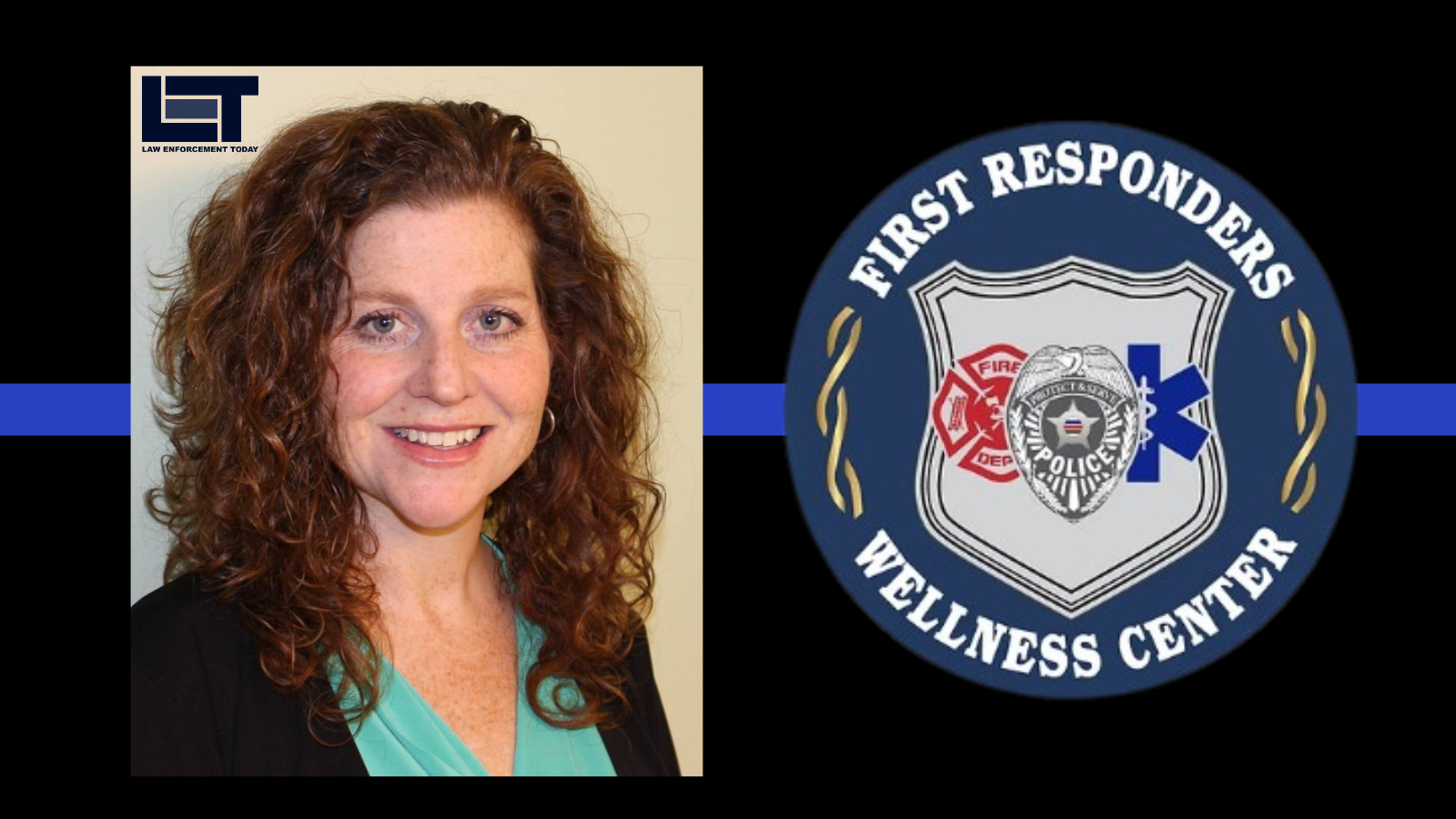
Dr. Steiner eventually completed the doctoral program and started her own practice focusing on mental health for the law enforcement, first responder, dispatch, ER staff, and veteran community with First Responders Wellness Center.
She delivers an important service to help LEO’s, especially those who don’t feel they need help.
“When officers say they are fine, I think it is important for them to listen to those around them about how they feel they are doing. As an officer, the line gets blurred on what is bad as you see family members who kill each other, kids beaten, etc., so you feel what you’re doing is not that bad. You don’t want to compare yourself to what you see, you want to compare yourself to the goals you have for yourself and your family,” Dr. Steiner said.
She understands an officer’s mental health impacts the family and offers advice for them, too.
“We encourage family members to understand the stressors, seek groups for first responder families, or create your own. We offer a support group and there are many national ones such as the National Police Wives Association, Proud Police Wife, etc. Learn about trauma and PTSD so you are aware of the symptoms and can get help quicker. Find mental health providers who specifically work with first responders - your spouse will more likely go to them,” she said.
Learn more about Dr. Carrie Steiner and her services by visiting the First Responders Wellness Center website and follow them on Facebook.
A Message from Trudy Jacobson
“It’s very inspirational when someone chooses to act on an issue instead of ignoring it. That is exactly what Carrie did and many lives will improve because of it.” – Trudy Jacobson
To learn more about Trudy Jacobson and her support of female first responders, veterans, and entrepreneurs, go to www.TrudyJacobson.com and subscribe to Trudy Jacobson’s YouTube channel to watch the other Great American Warrior interviews at https://www.youtube.com/@trudyjacobsonta
-------------------
Writer Eddie Molina is a veteran and has over 25 years of combined LEO/military service. He owns and operates the LEO apparel and accessory company www.BuyHeroStuff.com
CHICAGO, IL - When Carrie Steiner joined the Chicago Police Department in 1998, she was filled with ambition and motivation to serve the public and play a role in improving the community. She wanted to put away the bad guys, help people in their most difficult moments, and positively contribute to society in a way few people are equipped to handle.
But she underestimated just how stressful the job was and how much it impacts an officer’s mental health. Between dealing with dangerous suspects, long hours, and heinous crimes, it was a lot to take in.
In fact, it all started on day one.
“My first day out of the academy, I was directed to go to the 18th district. When I arrived, my field training officer stated that we were going to attend the wake of an officer within the district who killed himself,” Dr. Steiner told Law Enforcement Today.
That was just the beginning. Over the next year, three other officers within the 18th district took their own lives. She wanted to understand the “why."
“I was told by officers at the 18th district, that all of the officers who killed themselves had ‘personal problems’. I wondered what type of personal problems they had,” she said.
Everything came to a head the following year during a routine roll call when she was told her partner suddenly passed away.
“I remember wanting to burst into tears but did not. However, after roll call, I cried in the women’s locker room and then went to my car and worked that night for the first time by myself on midnights. I was told my partner died of positional asphyxiation as he was so drunk and passed out underneath his steering wheel,” Dr. Steiner said.
She wanted to know why. What did he struggle with that led him to that point? What about other officers who took their own lives?
Then Officer Steiner was encouraged by a senior officer to go to college to have a “back-up” plan. She took this advice and enrolled in a doctoral program that would take ten years to complete. Within that time frame, she would continue to notice how the job “changes people," including herself.
“I started to realize that my police lifestyle was starting to impact my personal life, I was not able to attend holidays with family, I would often sleep a different schedule. I did not want to do things with family or civilians as I felt they were not understanding what I was going through. They did not understand the ‘real world’. Looking back, I think this is when I started to realize my colleagues and I were all having ‘personal problems’ that the officers I knew who had killed themselves,” she said.
Dr. Steiner eventually completed the doctoral program and started her own practice focusing on mental health for the law enforcement, first responder, dispatch, ER staff, and veteran community with First Responders Wellness Center.
She delivers an important service to help LEO’s, especially those who don’t feel they need help.
“When officers say they are fine, I think it is important for them to listen to those around them about how they feel they are doing. As an officer, the line gets blurred on what is bad as you see family members who kill each other, kids beaten, etc., so you feel what you’re doing is not that bad. You don’t want to compare yourself to what you see, you want to compare yourself to the goals you have for yourself and your family,” Dr. Steiner said.
She understands an officer’s mental health impacts the family and offers advice for them, too.
“We encourage family members to understand the stressors, seek groups for first responder families, or create your own. We offer a support group and there are many national ones such as the National Police Wives Association, Proud Police Wife, etc. Learn about trauma and PTSD so you are aware of the symptoms and can get help quicker. Find mental health providers who specifically work with first responders - your spouse will more likely go to them,” she said.
Learn more about Dr. Carrie Steiner and her services by visiting the First Responders Wellness Center website and follow them on Facebook.
A Message from Trudy Jacobson
“It’s very inspirational when someone chooses to act on an issue instead of ignoring it. That is exactly what Carrie did and many lives will improve because of it.” – Trudy Jacobson
To learn more about Trudy Jacobson and her support of female first responders, veterans, and entrepreneurs, go to www.TrudyJacobson.com and subscribe to Trudy Jacobson’s YouTube channel to watch the other Great American Warrior interviews at https://www.youtube.com/@trudyjacobsonta
-------------------
Writer Eddie Molina is a veteran and has over 25 years of combined LEO/military service. He owns and operates the LEO apparel and accessory company www.BuyHeroStuff.com
For corrections or revisions, click here.
The opinions reflected in this article are not necessarily the opinions of LET

Comments