
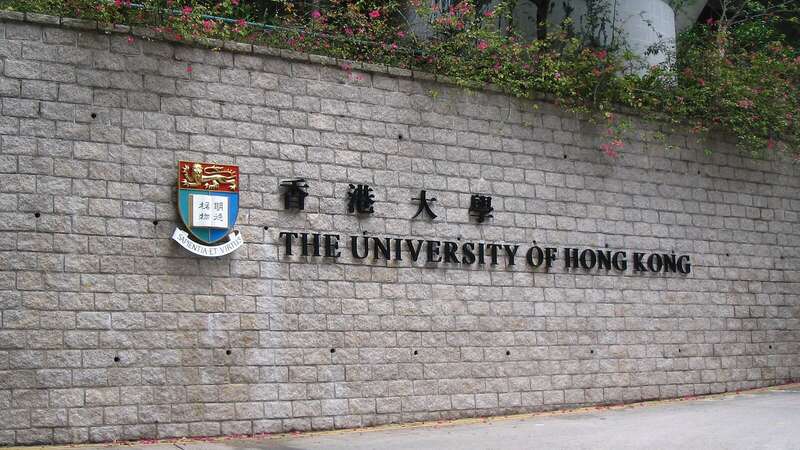
HONG KONG, CHINA - On July 15th, Hong Kong's privacy watchdog announced that it had launched a criminal investigation after a University of Hong Kong law student was accused of allegedly using AI to generate pornographic images of his classmates and teachers.
In a statement, the Office of the Privacy Commissioner for Personal Data said that disclosing someone's personal data without consent would violate the privacy ordinance, according to People Magazine.
The agency said it plans to investigate the alleged conduct involving the student.
The office announced its investigation after several people anonymously posted on Instagram about the alleged behavior.
The post claimed that back in February, a friend of the student allegedly discovered the pornographic images on his laptop, and when the friend questioned him about the photos, he admitted to using AI to generate them.
The student allegedly generated AI pornographic images of 20 to 30 classmates, friends, teachers, and acquaintances.
The post also claimed that he had more than 700 such images, which were allegedly organized into folders named after the people depicted.
After the alleged images came to light, the student reached out to five of the people depicted to apologize. "Ultimately, X only apologized in person to [two] victims," the Instagram post read.
"During these apologies, X falsely claimed the total number of victims was 5, likely to downplay the severity of his actions."
In March, according to the Instagram post, some of the alleged victims contacted the University of Hong Kong and the school's disciplinary committee, saying they were concerned about being in class with him.
In late March, the university allegedly responded, saying that a staff member had consulted a lawyer who said that the student's actions did not violate any policies and that they could not discipline him, according to the post.
Then, in an updated statement on July 12th, the university said they issued the student a warning letter and demanded that he give a formal apology to the alleged victims.
"The University is aware of the social media posts concerning a student allegedly using AI tools to create indecent images. The University has adhered to the University Ordinance Statutes, as well as relevant laws in handling the case," the statement read.
"The University has kept in communication with the affected students and with the consideration of taking care of their well-being, the University has taken various steps, including class adjustments, to address their needs."
Deepfake porn is a type of nonconsensual pornography that involves altering existing images or creating entirely new ones using readily available AI tools to make it appear that a person has participated in sexual acts, NBC News reported.
Regulations in Hong Kong around the technology are currently sparse.
While it does criminalize "publication or threatened publication of intimate images without consent," it does not explicitly outlaw their generation.
Outrage has since grown in the wider student community, which has demanded more stringent action.
This prompted a response from the city's top official, Chief Executive John Lee, who said that universities have the "responsibility of developing students' moral character," adding institutions should "deal with student misconduct seriously."
"Any conduct that causes harm to others may constitute a criminal offense and may also infringe individual rights and also privacy," he said.
In a statement, the Office of the Privacy Commissioner for Personal Data said that disclosing someone's personal data without consent would violate the privacy ordinance, according to People Magazine.
The agency said it plans to investigate the alleged conduct involving the student.
The office announced its investigation after several people anonymously posted on Instagram about the alleged behavior.
The post claimed that back in February, a friend of the student allegedly discovered the pornographic images on his laptop, and when the friend questioned him about the photos, he admitted to using AI to generate them.
The student allegedly generated AI pornographic images of 20 to 30 classmates, friends, teachers, and acquaintances.
The post also claimed that he had more than 700 such images, which were allegedly organized into folders named after the people depicted.
After the alleged images came to light, the student reached out to five of the people depicted to apologize. "Ultimately, X only apologized in person to [two] victims," the Instagram post read.
"During these apologies, X falsely claimed the total number of victims was 5, likely to downplay the severity of his actions."
In March, according to the Instagram post, some of the alleged victims contacted the University of Hong Kong and the school's disciplinary committee, saying they were concerned about being in class with him.
In late March, the university allegedly responded, saying that a staff member had consulted a lawyer who said that the student's actions did not violate any policies and that they could not discipline him, according to the post.
Then, in an updated statement on July 12th, the university said they issued the student a warning letter and demanded that he give a formal apology to the alleged victims.
"The University is aware of the social media posts concerning a student allegedly using AI tools to create indecent images. The University has adhered to the University Ordinance Statutes, as well as relevant laws in handling the case," the statement read.
"The University has kept in communication with the affected students and with the consideration of taking care of their well-being, the University has taken various steps, including class adjustments, to address their needs."
Deepfake porn is a type of nonconsensual pornography that involves altering existing images or creating entirely new ones using readily available AI tools to make it appear that a person has participated in sexual acts, NBC News reported.
Regulations in Hong Kong around the technology are currently sparse.
While it does criminalize "publication or threatened publication of intimate images without consent," it does not explicitly outlaw their generation.
Outrage has since grown in the wider student community, which has demanded more stringent action.
This prompted a response from the city's top official, Chief Executive John Lee, who said that universities have the "responsibility of developing students' moral character," adding institutions should "deal with student misconduct seriously."
"Any conduct that causes harm to others may constitute a criminal offense and may also infringe individual rights and also privacy," he said.
For corrections or revisions, click here.
The opinions reflected in this article are not necessarily the opinions of LET


Comments