
DES MOINES, IA - On Wednesday, July 1, a new Iowa law will go into effect, eliminating the state's requirement that law enforcement officers complete annual bias prevention training. The move reverses part of a bipartisan police reform law enacted in 2020.
The newly implemented change removes the statewide mandate for annual bias prevention training while leaving in place the requirement that officers complete annual de-escalation training, according to KCCI.
It also removes from Iowa law a detailed list of topics that had been required as part of bias prevention training, including instruction on diverse communities, examining patters and practices that contribute to biased policing, identifying differences among local communities, implicit bias and its impact on policing, historical perceptions of profiling, perspectives from diverse community groups and the history and role of the civil rights movement.
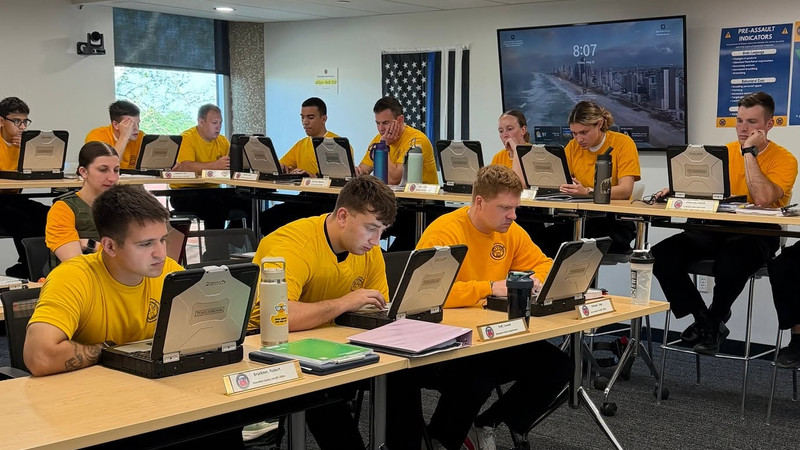
The Iowa Law Enforcement Academy said the change will not immediately affect how it trains officers. Academy Director Brad Carney said the Academy updated both its recruit and annual in-service curriculum last year after House File 856, a separate law limiting certain diversity, equity and inclusion programs and training, took effect.
Carney said the Iowa General Attorney's Office advised the Academy that bias training was prohibited under that law. The Academy said it continues to provide instruction on community policing and community partnerships, and that local police chiefs and sheriffs remain free to require additional training beyond the state's minimum standards.
The bias prevention training requirement was originally approved unanimously by Iowa lawmakers in 2020 as part of a broader police reform package signed by Governor Kim Reynolds, following nationwide protests over the death of George Floyd.
During debate on the bill earlier this year, supporters argued the requirement should be removed. Speaking on the Iowa House floor in March, Republican Rep. Skyler Wheeler called the training requirement an "emotional response" to the events of 2020. "If you dig into implicit bias or unconscious bias, it is junk science. You cannot prove or disprove any of that. You're accusing people of something that they cannot themselves explain," Wheeler said.
Civil rights advocates, however, argue the mandate served an important purpose. "With the signature that we have on this new law now, it eliminates a lot of the things that we were moving forward. So, it's a step backwards," Betty Andrews, president of the Iowa-Nebraska NAACP, said.
Andrews said the training was designed to help officers better understand the communities they serve and recognize disparities that can affect public trust. "If you remove it, you're not looking at it, you're not studying it. You're not conscious of it. You're not conscientious of it. You are looking, you're moving around it, and acting as if it doesn't exist. This is reality. It does exist. These disparities really do exist," she said.
She said she hopes departments continue offering similar training even without the state requirement. "Anybody who has good sense and wants to be there and be a part of their community will continue to do this type of programming. It is so important, so valuable, and it's such an opportunity to build trust within their local community," Andrews said. "Our concern is now that this is not mandatory, that we may or may not see that eroding as well."

Comments