
Written by Mathew Silverman, National President of the Federal Law Enforcement Officers Association and member of the Law Enforcement Today Board of Advisors.
The Maryland Senate recently passed legislation that would prohibit law enforcement officers, including federal agents, from wearing face coverings while conducting operations in the state. While the bill may appear straightforward, it raises significant legal, operational, and safety concerns that could ripple across federal, state, and local law enforcement agencies.
Under the Supremacy Clause of the U.S. Constitution, federal law generally prevails when state law conflicts with federally authorized operations. This principle, known as federal preemption, suggests that applying Maryland’s law to federal officers could trigger complex legal disputes.
Beyond legal questions, the bill risks undermining the collaborative relationships between federal, state, and local agencies that are crucial to effective public safety operations. Coordinated efforts to combat violent crime, apprehend fugitives, and dismantle criminal organizations depend on these partnerships, and unnecessary restrictions could create tension or operational inefficiencies.
Critics of the legislation argue that it oversimplifies a complex issue. Officer face coverings do not provide extra authority or diminish accountability; officers remain fully subject to federal law, internal policies, and oversight. Instead, coverings are often a practical measure to protect officers and their families from harassment, threats, and doxing.
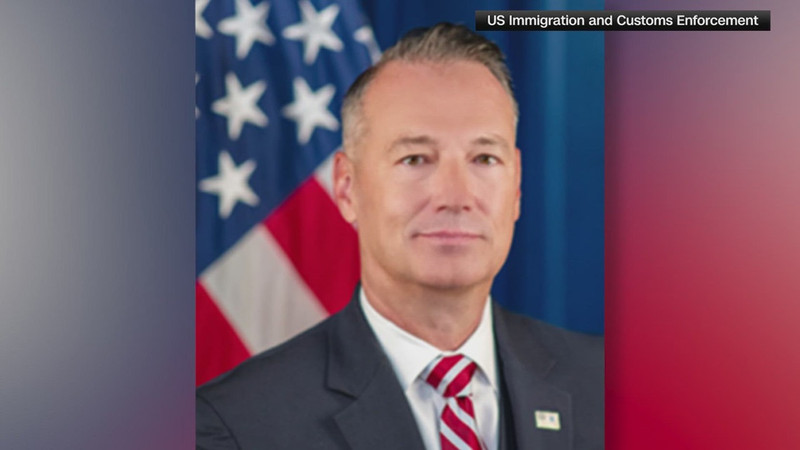
In today’s digital age, law enforcement personnel involved in high-profile or controversial operations, like ICE Director Todd Lyons, are routinely targeted, even when not concealing their identities. Protests and harassment at officers’ homes highlight the risks to line-level personnel, who face the same potential threats on a more frequent and direct basis.
Protecting officer identity in sensitive operational environments is not about avoiding accountability; it is about safeguarding personnel and their families from retaliation and violence that can extend far beyond the workplace. Restricting the use of face coverings could expose officers to unnecessary danger and discourage qualified candidates from entering sensitive roles.
What is the real problem? The real problem is that much of the public debate surrounding federal immigration enforcement and related public safety policies has become heavily politicized.
Opposition is often directed not only at policy decisions but at the individuals responsible for implementing them. This includes President Trump and members of his administration such as Attorney General Pam Bondi, Deputy Attorney General Todd Blanche, Secretary Kristi Noem, Border Czar Tom Homan, ICE Director Todd Lyons, Customs and Border Protection Commissioner Rodney Scott, and others.
These individuals have dedicated their careers to public service and national security. They have accepted positions that place them and their families under significant public scrutiny and personal risk in order to carry out responsibilities intended to protect the safety and security of the United States.
Immigration enforcement is not a new policy concept. Multiple presidential administrations over the past decade have enforced immigration laws and conducted deportation operations.
However, the national conversation surrounding enforcement priorities has increasingly become divided along political lines. Public safety policy should be evaluated based on effectiveness, legality, and impact on community safety rather than political affiliation or public perception of individual leaders.
Constructive discourse is essential. Complex public safety challenges rarely have simple solutions, and demonizing public servants or attacking their character undermines the very trust needed between the public and law enforcement. Maintaining that trust while ensuring officer safety and operational effectiveness is critical.
Maryland has a long history of collaboration between federal, state, and local agencies, and preserving these relationships should remain a priority to ensure communities remain safe.
Ultimately, the core issue is balance: protecting officers and their families, maintaining interagency cooperation, and addressing public safety concerns, all while respecting legal frameworks and operational realities. Legislation that fails to consider these factors risks unintended consequences that extend well beyond its original intent.

Comments