
MARQUETTE, MI - New legislation has been introduced to address how police respond to mental health crises, increasing the training police officers in Michigan receive when responding to those incidents.
According to the proposed legislation, the required training has been vetted by behavioral health experts and will cover de-escalation tactics, crisis response, and implicit bias, TV6 reported. The legislation, known as SB 334, is currently pending on the State Senate calendar.
The bill package, supported by Michiganders and law enforcement officials, would "limit use of no-knock warrants, require de-escalation and crisis response training, and enforce other safeguards to protect residents and enhance the police profession," according to Senate Dems.
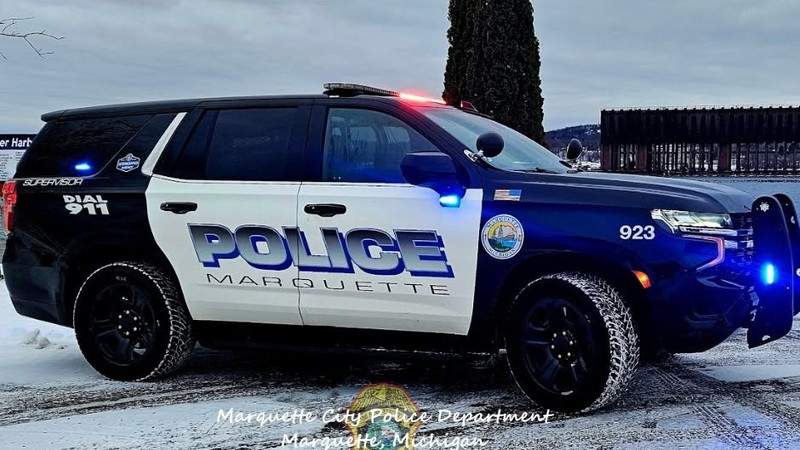
The Marquette City Police Department (MCPD) already incorporates mental health awareness, crisis de-escalation, and specialized behavioral response training into its annual professional development curriculum.
Police Chief Ryan Grim said they also focus on the officers' mental health. "MCOLES, which is our licensing body, requires us to have a certain number of hours every year for crisis intervention training, and that also includes the officers’ mental health themselves,” Chief Grim said.
MCPD also works with a group called Frontline Strong Together, which focuses on police officers' mental health. Kristie Buruse, coordinator of the Frontline Strong Together First Responder program, explained its mission.
"Frontline Strong’s mission is basically to end the stigma of mental health, to make it okay to reach out. We do that through no out-of-pocket-cost therapy through Wayne State University, sometimes decreased costs through your local therapist, and having a list of culturally competent therapists-therapists that get what they’re going through,” Buruse said.
Chief Grim said they work closely with newer officers to make sure they're taking care of their mental health. "You’ve got to turn it off a little bit, and you’ve got to figure out how you decompress. We push a lot of physical activity; working out, going for runs, lifting weights, that kind of stuff really helps, it’s always helped me, we talk to the young officers about that, but on top of that, we make sure that they understand that there are resources available to them if they get into something that’s a little bit more than what we’re used to handling," he said.

Comments