
Submitted through partnership with Vita Bella as "Fueling the Force: The Hidden Costs of Fast Food and
On-the-Job Meals for Law Enforcement Officers"
Editor Note: After years of losing friends in law enforcement and the military to diseases, heart attacks, strokes and to the demons of PTSD, we've decided to fight back.
Law Enforcement Today has partnered with Vita Bella to bring you a regular series of information about topics that will help completely change this. We are NOT being paid to do this. It's about time we all get in the fight. You, your family and our community deserve to have strong, healthy warriors.
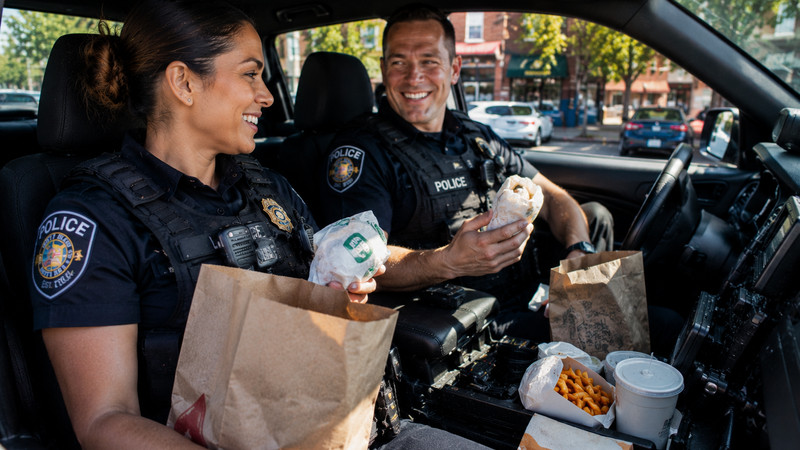
As a law enforcement officer, your patrol car often doubles as a mobile office, break room, and sometimes even a makeshift dining table. Long shifts, unpredictable calls, and limited healthy options frequently lead to grabbing fast food or convenience store meals. While these choices offer quick convenience, they carry significant consequences for your health, performance, and ability to respond effectively in critical situations.
The Reality of Shift Work and Dietary Habits in Policing
Police officers frequently work irregular hours, including nights and rotating shifts, which disrupt circadian rhythms and eating patterns. Research shows officers on midnight shifts often consume fewer total calories but rely heavily on convenience foods, with lower intake of key nutrients like vitamins A, C, D, and E. State police officers commonly eat an average of four fast food meals per week and get less than recommended sleep, compounding the issue.
Shift days, especially nights, correlate with poorer diet quality, higher reliance on processed and high-fat foods, and increased snacking. One study of UK police officers noted significantly worse nutrition on shift work, with more than 65% of participants classified as overweight or obese.
Health Outcomes: More Than Just Weight Gain
Regular fast food consumption and irregular eating contribute to higher risks of obesity, inflammation, metabolic disorders, and cardiovascular issues—already elevated concerns in law enforcement due to stress and sedentary patrol time. Night shift officers show higher inflammation markers and are more likely to experience long-term injury leave.
Poor nutrition exacerbates stress-related hormone imbalances, such as elevated cortisol, which can lead to fatigue, weight gain around the midsection, and reduced metabolic efficiency. Over time, this increases risks for heart disease, type 2 diabetes, and digestive problems common in shift workers.
Performance and Response Speed: Critical Impacts
Your ability to protect and serve depends on sharp decision-making, quick reaction times, and sustained energy. Fast food high in refined carbohydrates and fats often leads to energy crashes, while sleep disruption from poor diet further impairs vigilance.
Studies link fatigue in officers to reduced reaction time, impaired memory recall, poorer information processing, and slower psychomotor coordination—effects comparable to legal intoxication levels after prolonged wakefulness.
Fatigued officers may escalate encounters more readily or miss subtle cues. Poor nutrition contributes to overall performance decline, increasing risks not only to personal safety but also to public safety and departmental liability.
Practical Alternatives and Building Healthy Habits
Healthy eating on the job is challenging but achievable with planning. Focus on nutrient-dense, portable options that sustain energy without crashes.
Meal prep basics include preparing grilled chicken, lean meats, vegetables, hard-boiled eggs, or whole-grain wraps ahead of shifts. Using a small cooler or insulated bag in your vehicle can make healthy options easier to maintain.
Smart grab-and-go choices include nuts, seeds, low-sugar beef jerky, fresh fruit, tuna packets, Greek yogurt, or vegetable sticks. At restaurants, choosing grilled proteins and salads over fried items can make a significant difference.
Hydration and timing also matter. Prioritize water over sugary drinks or excessive caffeine. Eating balanced meals or snacks at consistent intervals when possible helps stabilize blood sugar and maintain energy.
Off-duty habits are just as important. Establishing routines that support recovery, including balanced dinners, proper sleep hygiene, and regular physical activity, can build resilience against the demands of the job.
Small, consistent changes can lead to major improvements in energy, focus, and long-term health.
For officers experiencing persistent fatigue, mood issues, or recovery challenges that may stem from stress-induced hormone disruptions, professional support can make a meaningful difference. Services like those at VitaBella.com offer convenient, personalized hormone care options tailored to active lifestyles, helping restore balance and vitality when lifestyle adjustments alone are not enough.
Maintaining optimal hormone levels supports sustained performance, better stress management, and faster recovery—key factors for those serving in high-stakes roles. Exploring evidence-based hormone optimization through platforms like VitaBella.com can complement efforts toward peak condition, especially under the demands of shift work.
Prioritizing Wellness for the Long Haul
As officers, you put others first every day. Investing in healthy habits on and off the job is an act of self-preservation and professional excellence. Better nutrition enhances response capabilities, reduces health risks, and improves overall quality of life.
Start small today—your body, mind, and community will thank you.
References
Kosmadopoulos A, Kervezee L, Boudreau P, et al. Effects of shift work on the eating behavior of police officers on patrol. Nutrients. 2020;12(4):999. doi:10.3390/nu12040999
Tewksbury R, Copenhaver A. State police officer sleep patterns and fast food consumption. International Journal of Police Science and Management. 2015;17(4):230-236. doi:10.1177/1461355715617343
Andrew ME, Charles LE, et al. Dietary intake by shift work among police officers. CDC Stacks. 2009. Accessed June 2, 2026.
MacKenzie-Shalders KL, et al. Dietary intake in law enforcement personnel: occupation is an overlooked factor in dietary research. Nutrients. 2022;14(7):1336. doi:10.3390/nu14071336
Vila B, Kenney DJ. Tired cops: the prevalence and potential consequences of police fatigue. NIJ Journal. 2002;(248):16-21.
Police Foundation. Good nutrition in high stress police situations. Valor Health During Protests. Accessed June 2, 2026.

Comments
2026-06-21T06:51-0400 | Comment by: James
Yep! If you watch the live "COP" shows on TV a lot of them are over weight and in a poor health condition. There needs to be a physical fitness mandate which includes a proper diet!