
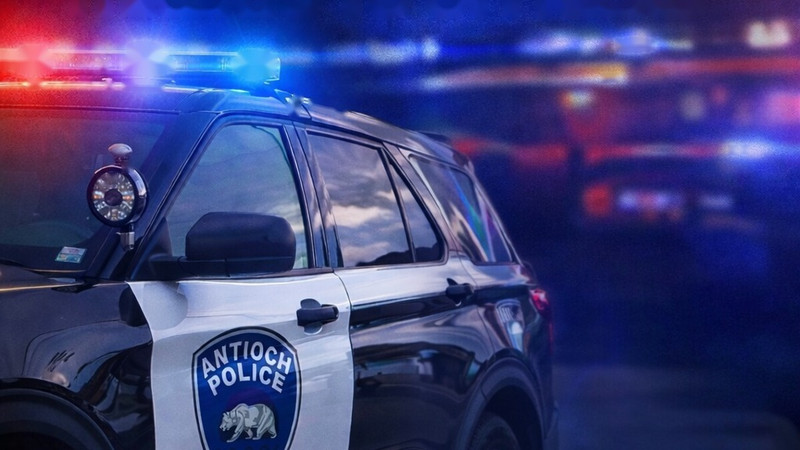
ANTIOCH, CA - One year after signing an agreement with the Department of Justice (DOJ), the Antioch Police Department (APD) says it has completed the first phase of a sweeping overhaul of its policies.
The agreement came in response to multiple scandals involving racism, homophobia and violent civil rights violations within the department, FOX2 reported. APD worked with a third-party consultant to review its policy manual with the goal of better holding its officers accountable.
The department was first investigated by the FBI and the Contra Costa District Attorney's Office in 2022 for alleged corruption and crimes, including possible violent civil rights violations and assaults, according to Police1.
Amid the criminal investigations, authorities discovered a slew of racist, homophobic, and anti-Semitic text messages exchanged between APD officers in 2023. Dozens of officers were then investigated or placed on leave following the revelation. The agreement with the DOJ also emphasizes monitoring K9 bites and other uses of force.
If APD does not meet the requirements set forth in the agreement, they could be met with court action. APD and the city have been working to revise the department's policy manual, especially in situations related to bias-based policing and use of force.
Manjit Sappal, a consultant jointly selected by the DOJ, city, and APD, said that work was completed in November, and has been accepted by the DOJ. "The Department of Justice has approved these policies," Sappal said.
To ensure the department does not engage in bias-based policing, language was included that holds officers and their supervisors accountable for those actions. Other significant changes include the department's vehicle pursuit policy, which previously had a "fairly liberal" stance, Sappal said. Now, it will operate under stricter guidelines.
The Antioch Police Officer's Association, which was part of the working group to overhaul the department's policies, was supportive of the changes. "Their response was, 'We understand what it is the department's trying to do, and we support it,'" he said. "Generally, you don't get that kind of response from unions."
The Antioch Police Oversight Committee was also involved, bringing a community perspective. Commissioner Porshe Taylor, who was part of the oversight commission's ad hoc committee reviewing policies, said members were "extremely vocal" in their feedback.
"What I will say is that the policies weren't bad, the policies were there," Taylor said. "The oversight was not there, and so the policies now highlight the oversight."
The revisions also ensure clear separation between those involved in field operations and those tasked with oversight responsibilities, Taylor said.
"Because if you’re there with the person doing the bad thing, then you are a part of the bad thing, so we needed a different set of eyes,” said Taylor. “There’s the chain of command written now, so we shouldn’t have the same gaps that we had. Sometimes, there would be people that were next to each other, signing off on what occurred. That wouldn’t happen anymore.”
The next steps will be implementation and training, which will be the focus of the police department this year, followed by compliance measurement.
Sappal said it was important for officers to understand the rationale behind the changes in the department. "I think that’s where the supervisors and the managers are going to be critical. … Because if they don’t understand why it is that these changes were made and how they’re supposed to make a difference, then having them go back to a policy manual to refer to what we’re supposed to be doing is going to be a failure,” said Sappal.
Sappal noted that the department has achieved "substantial compliance" in five of the seven sections of the agreement. Councilmember Tanmisha Torres-Walker said many community members are "cautiously optimistic" about the changes, with some questioning whether there will be a "true cultural shift" in policing practices, rather than merely an exercise in checking boxes.
The agreement came in response to multiple scandals involving racism, homophobia and violent civil rights violations within the department, FOX2 reported. APD worked with a third-party consultant to review its policy manual with the goal of better holding its officers accountable.
The department was first investigated by the FBI and the Contra Costa District Attorney's Office in 2022 for alleged corruption and crimes, including possible violent civil rights violations and assaults, according to Police1.
Amid the criminal investigations, authorities discovered a slew of racist, homophobic, and anti-Semitic text messages exchanged between APD officers in 2023. Dozens of officers were then investigated or placed on leave following the revelation. The agreement with the DOJ also emphasizes monitoring K9 bites and other uses of force.
If APD does not meet the requirements set forth in the agreement, they could be met with court action. APD and the city have been working to revise the department's policy manual, especially in situations related to bias-based policing and use of force.
Manjit Sappal, a consultant jointly selected by the DOJ, city, and APD, said that work was completed in November, and has been accepted by the DOJ. "The Department of Justice has approved these policies," Sappal said.
To ensure the department does not engage in bias-based policing, language was included that holds officers and their supervisors accountable for those actions. Other significant changes include the department's vehicle pursuit policy, which previously had a "fairly liberal" stance, Sappal said. Now, it will operate under stricter guidelines.
The Antioch Police Officer's Association, which was part of the working group to overhaul the department's policies, was supportive of the changes. "Their response was, 'We understand what it is the department's trying to do, and we support it,'" he said. "Generally, you don't get that kind of response from unions."
The Antioch Police Oversight Committee was also involved, bringing a community perspective. Commissioner Porshe Taylor, who was part of the oversight commission's ad hoc committee reviewing policies, said members were "extremely vocal" in their feedback.
"What I will say is that the policies weren't bad, the policies were there," Taylor said. "The oversight was not there, and so the policies now highlight the oversight."
The revisions also ensure clear separation between those involved in field operations and those tasked with oversight responsibilities, Taylor said.
"Because if you’re there with the person doing the bad thing, then you are a part of the bad thing, so we needed a different set of eyes,” said Taylor. “There’s the chain of command written now, so we shouldn’t have the same gaps that we had. Sometimes, there would be people that were next to each other, signing off on what occurred. That wouldn’t happen anymore.”
The next steps will be implementation and training, which will be the focus of the police department this year, followed by compliance measurement.
Sappal said it was important for officers to understand the rationale behind the changes in the department. "I think that’s where the supervisors and the managers are going to be critical. … Because if they don’t understand why it is that these changes were made and how they’re supposed to make a difference, then having them go back to a policy manual to refer to what we’re supposed to be doing is going to be a failure,” said Sappal.
Sappal noted that the department has achieved "substantial compliance" in five of the seven sections of the agreement. Councilmember Tanmisha Torres-Walker said many community members are "cautiously optimistic" about the changes, with some questioning whether there will be a "true cultural shift" in policing practices, rather than merely an exercise in checking boxes.
For corrections or revisions, click here.
The opinions reflected in this article are not necessarily the opinions of LET

Comments