
By Kelly Rae Robertson
If Guy Rivera isn’t guilty of murder, then what do we call the slaughter of Jonathan Diller?
Because that’s what it was.
And in a matter of seconds, all of that was taken.
Jonathan Diller was 31 years old. A husband. A father. A New York City police officer, later posthumously promoted to detective. By every account, he was deeply in love with his wife, Stephanie, and devoted to their young son.
In a matter of seconds, all of that was taken.
He was shot during a traffic stop in Queens. A routine interaction. The shooting was captured on video, along with the screams of a police officer dying in the street.
Officer Diller didn’t make it home that night, and he never would.
His wife didn’t just lose her husband. She lost the love of her life. Their son lost his father. In an instant, it was all gone. And a department lost an officer defined by passion, purpose, and promise.
He will grow up knowing his father through stories, photographs, and medals, but never through memories of his own.
That is what this “manslaughter” case is really about.
Rivera, a man with 21 prior arrests, was convicted of first-degree aggravated manslaughter and other charges, but not murder.
Not murder.
So again, what do we call it when someone guns down a cop?
Because when a repeat offender, someone the system has cycled through again and again, pulls a gun and shoots a police officer during a lawful stop, ordinary people don’t hear legal technicalities.
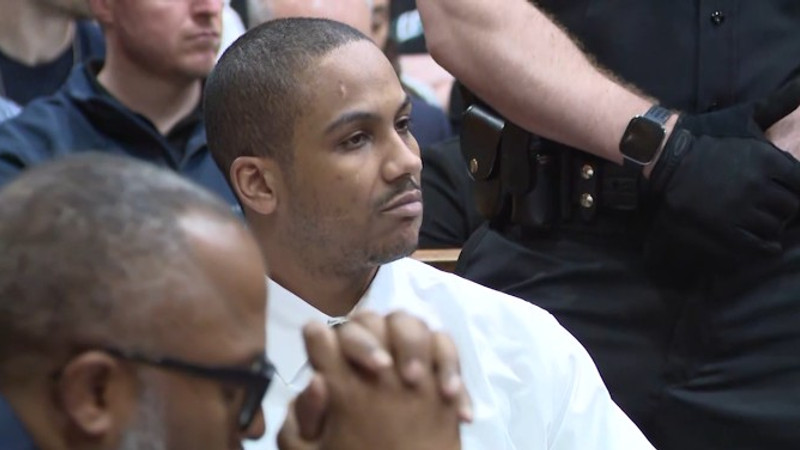
When the verdict was read, Rivera smiled. Not relief. Satisfaction. The same face Detective Diller saw before he was shot. And if that doesn’t chill you to your bones, it should. Because that is exactly what getting away with murder looks like.
No matter what the verdict says, people see it for what it is.
And they wonder how we got here.
How did we reach a point where a man with that kind of record was still on the street to begin with? Still able to come face-to-face with Diller?
How many chances does someone get before the system admits what they are?
And how many lives must be destroyed before we stop pretending these are isolated failures instead of a pattern?
Because this isn’t just about one case.
It never is.
I saw this long before New York.
On April 4, 2009, three Pittsburgh police officers were shot and killed in an ambush.
I worked for the courts at the time.
A coworker’s husband was a Pittsburgh police officer who had worked with the fallen officers. I went with them to the memorial service and one of the burials.
I will never forget what I saw.
The department had coordinated with the Port Authority to bring in buses for Pittsburgh police officers, their spouses, and close friends who wanted to attend the services.
Three massive buses sat waiting outside Zone 5, engines idling, doors open.
They were filled with officers in dress blues. Rows of them. Polished badges. Faces set, quiet. The rest of us wore black, black suits, black ties, black bands draped across badges in mourning.
No one was talking.
You could feel it before we even moved.
Then the buses pulled out, one directly behind the other.
Motorcycle officers from other departments were already in position.
Two in front. Two riding alongside us. Two behind.
As we moved, they rotated with precision, pulling ahead into intersections before we reached them, stopping traffic, then falling back and circling behind our bus again.
Over and over.
The entire way.
The low rumble of the engines echoed through the streets as we passed.
And we never slowed.
Not once.
Mile after mile through the city.
Washington Boulevard.
Shadyside.
Into Oakland.
Busy streets filled with lights and traffic, and we never slowed. No brakes. No stops. Just a steady, silent movement forward.
Inside the bus, it was just as quiet.
Low voices. Barely above a whisper.
I remember one officer saying, “It couldn’t have happened to nicer guys.”
I put my head down.
It didn’t feel real.
It felt like a movie you weren’t supposed to be in.
As we rode toward the University of Pittsburgh, where the memorial was being held, people on the sidewalks stopped to watch. Conversations died mid-sentence. Some stood frozen. Others raised their hands to their hearts.
And then, slowly, they started to salute.
Not because anyone told them to.
Because they understood.
At the cemetery, the reality hit in a way words never could.
As one officer was laid to rest, you could hear the echo of gunfire from another burial nearby: another fallen officer receiving a 21-gun salute at the exact same time.
I remember the riderless horse.
I remember the sound of taps.
And I remember something I will never forget for as long as I live: grown men collapsing over the coffin of their friend. Strong men. Reduced to grief so raw it stripped everything else away.
That was a country that understood loss.
That understood sacrifice.
That understood exactly what had been taken from those families.
And now?
Now we debate what to call it.
Now we downgrade, reinterpret, and explain away.
As the funerals keep coming, what message does that send, not just to the public, but to every officer putting on a uniform?
Because there is already a target on their backs.
And it is getting bigger.
Every time the system fails to hold violent repeat offenders accountable, that target grows.
Every time we blur the line between what is and what we wish it to be, that target grows.
Every time we hesitate to call something what it plainly is, that target grows.
I fear for them.
I fear for their families.
I fear for the wives who will get the knock on the door.
For the children who will grow up with folded flags instead of fathers.
For the parents who will bury their sons and daughters.
How many more funerals does it take?
How many more processions?
How many more boys holding hats that belonged to their fathers?
At what point do we say enough?
At what point do we stop pretending this is complicated?
Because some things are not complicated.
A man with a long criminal history shoots a police officer during a lawful stop.
A wife loses her husband.
A child loses his father.
If that isn’t murder, then the word has lost its meaning.
If Guy Rivera isn’t guilty of murder, then what do we call the slaughter of Jonathan Diller?
Because that’s what it was.
And in a matter of seconds, all of that was taken.
Jonathan Diller was 31 years old. A husband. A father. A New York City police officer, later posthumously promoted to detective. By every account, he was deeply in love with his wife, Stephanie, and devoted to their young son.
In a matter of seconds, all of that was taken.
He was shot during a traffic stop in Queens. A routine interaction. The shooting was captured on video, along with the screams of a police officer dying in the street.
Officer Diller didn’t make it home that night, and he never would.
His wife didn’t just lose her husband. She lost the love of her life. Their son lost his father. In an instant, it was all gone. And a department lost an officer defined by passion, purpose, and promise.
He will grow up knowing his father through stories, photographs, and medals, but never through memories of his own.
That is what this “manslaughter” case is really about.
Rivera, a man with 21 prior arrests, was convicted of first-degree aggravated manslaughter and other charges, but not murder.
Not murder.
So again, what do we call it when someone guns down a cop?
Because when a repeat offender, someone the system has cycled through again and again, pulls a gun and shoots a police officer during a lawful stop, ordinary people don’t hear legal technicalities.
When the verdict was read, Rivera smiled. Not relief. Satisfaction. The same face Detective Diller saw before he was shot. And if that doesn’t chill you to your bones, it should. Because that is exactly what getting away with murder looks like.
No matter what the verdict says, people see it for what it is.
And they wonder how we got here.
How did we reach a point where a man with that kind of record was still on the street to begin with? Still able to come face-to-face with Diller?
How many chances does someone get before the system admits what they are?
And how many lives must be destroyed before we stop pretending these are isolated failures instead of a pattern?
Because this isn’t just about one case.
It never is.
I saw this long before New York.
On April 4, 2009, three Pittsburgh police officers were shot and killed in an ambush.
I worked for the courts at the time.
A coworker’s husband was a Pittsburgh police officer who had worked with the fallen officers. I went with them to the memorial service and one of the burials.
I will never forget what I saw.
The department had coordinated with the Port Authority to bring in buses for Pittsburgh police officers, their spouses, and close friends who wanted to attend the services.
Three massive buses sat waiting outside Zone 5, engines idling, doors open.
They were filled with officers in dress blues. Rows of them. Polished badges. Faces set, quiet. The rest of us wore black, black suits, black ties, black bands draped across badges in mourning.
No one was talking.
You could feel it before we even moved.
Then the buses pulled out, one directly behind the other.
Motorcycle officers from other departments were already in position.
Two in front. Two riding alongside us. Two behind.
As we moved, they rotated with precision, pulling ahead into intersections before we reached them, stopping traffic, then falling back and circling behind our bus again.
Over and over.
The entire way.
The low rumble of the engines echoed through the streets as we passed.
And we never slowed.
Not once.
Mile after mile through the city.
Washington Boulevard.
Shadyside.
Into Oakland.
Busy streets filled with lights and traffic, and we never slowed. No brakes. No stops. Just a steady, silent movement forward.
Inside the bus, it was just as quiet.
Low voices. Barely above a whisper.
I remember one officer saying, “It couldn’t have happened to nicer guys.”
I put my head down.
It didn’t feel real.
It felt like a movie you weren’t supposed to be in.
As we rode toward the University of Pittsburgh, where the memorial was being held, people on the sidewalks stopped to watch. Conversations died mid-sentence. Some stood frozen. Others raised their hands to their hearts.
And then, slowly, they started to salute.
Not because anyone told them to.
Because they understood.
At the cemetery, the reality hit in a way words never could.
As one officer was laid to rest, you could hear the echo of gunfire from another burial nearby: another fallen officer receiving a 21-gun salute at the exact same time.
I remember the riderless horse.
I remember the sound of taps.
And I remember something I will never forget for as long as I live: grown men collapsing over the coffin of their friend. Strong men. Reduced to grief so raw it stripped everything else away.
That was a country that understood loss.
That understood sacrifice.
That understood exactly what had been taken from those families.
And now?
Now we debate what to call it.
Now we downgrade, reinterpret, and explain away.
As the funerals keep coming, what message does that send, not just to the public, but to every officer putting on a uniform?
Because there is already a target on their backs.
And it is getting bigger.
Every time the system fails to hold violent repeat offenders accountable, that target grows.
Every time we blur the line between what is and what we wish it to be, that target grows.
Every time we hesitate to call something what it plainly is, that target grows.
I fear for them.
I fear for their families.
I fear for the wives who will get the knock on the door.
For the children who will grow up with folded flags instead of fathers.
For the parents who will bury their sons and daughters.
How many more funerals does it take?
How many more processions?
How many more boys holding hats that belonged to their fathers?
At what point do we say enough?
At what point do we stop pretending this is complicated?
Because some things are not complicated.
A man with a long criminal history shoots a police officer during a lawful stop.
A wife loses her husband.
A child loses his father.
If that isn’t murder, then the word has lost its meaning.
For corrections or revisions, click here.
The opinions reflected in this article are not necessarily the opinions of LET

Comments
2026-04-09T20:32-0400 | Comment by: natalie
Reading this was chilling!! If the Officer had killed this repeater than we would be reading about the Officer being accused of murder. This is so messed up and without any justification. God protect our men and women!