
Guest writer James Fotis is the President of the National Center for Police Defense.
For the men and women who work in law enforcement or serve as first responders, dealing with the effects of the opioid crisis has become a daily reality. Police officers, firefighters, and EMTs across the country respond to overdose calls in parking lots, living rooms, schools, and roadside rest stops. Too often, they arrive knowing that every second will determine whether someone lives or dies.
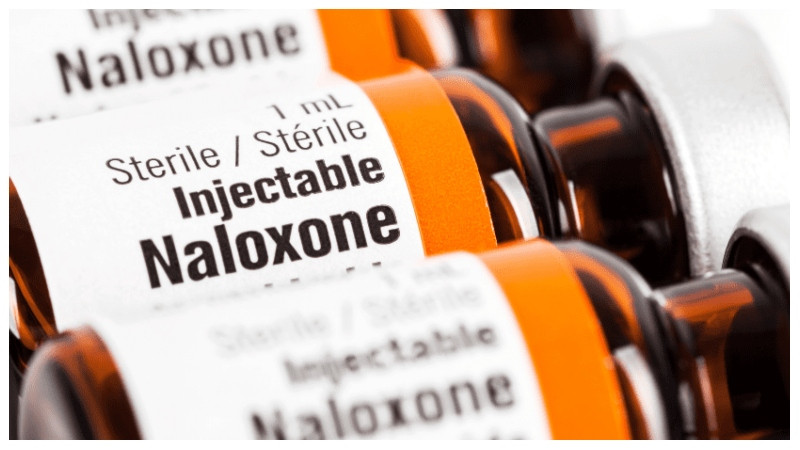
Over the past decade, one development has helped shift the odds in favor of saving lives: the widespread availability of naloxone, commonly known by the brand name Narcan. Once used almost exclusively by medical professionals, this fast-acting overdose reversal drug is now widely carried by first responders and increasingly available to ordinary citizens.
That change has made a real difference. Today, nearly all police officers are trained to administer naloxone, and most carry it with them on duty.
At the same time, expanding access beyond professionals has enabled families, friends, and bystanders to intervene before first responders arrive. Studies have found that when naloxone kits are distributed broadly, about 90 percent of overdose victims who receive the medication survive.
For those of us who have spent our careers in public safety, that progress matters. It means fewer funerals, fewer devastated families, and fewer scenes that leave lasting psychological scars on first responders.
But a new wave of state legislation now threatens to undermine that progress in ways policymakers may not fully appreciate.
States- including Tennessee and Oklahoma- are considering laws that would prohibit pharmacy benefit managers (PBMs) from owning or operating pharmacies within their borders. Supporters argue the goal is to help lower drug prices.
Whether such legislation would achieve that objective remains a matter of debate, but what is clear is that it could lead to the closure of large numbers of retail pharmacies across entire states. For those focused on public safety, the implications are troubling.
Retail pharmacies have become one of the most important distribution points for naloxone in the country. Large chains and community pharmacies alike make Narcan available over the counter in many states, allowing individuals to purchase the medication without a prescription and keep it on hand in case of an emergency.
That accessibility has transformed overdose response. With naloxone widely available in pharmacies, the first person to respond to an overdose is no longer always a police officer or paramedic. It could be someone known to the victim or even a stranger who happens to have Narcan nearby.
That matters because overdoses unfold quickly. Synthetic opioids such as fentanyl can depress breathing within minutes, leaving little time for emergency services to arrive. In many rural communities, response times can already be significantly longer than in urban areas. The ability for someone nearby to administer naloxone while waiting for help can be the difference between life and death. It also has broader implications for the emergency response system.
Responding to opioid overdoses consumes enormous time and resources for first responders. Between early 2018 and late 2023, emergency dispatch systems recorded more than 1.4 million opioid-related 911 calls nationwide. These incidents place strain on departments already facing staffing shortages and rising service demands.
Police departments in many major cities have logged millions of hours of overtime in recent years, while surveys show that roughly two-thirds of police chiefs report reduced services or specialized units because of understaffing. In that environment, anything that increases the volume of emergency calls only adds to an already overstretched system.
The emotional toll is equally serious.
Responding repeatedly to overdoses — particularly fatal ones — contributes to burnout among officers, firefighters, and paramedics. Studies have found that officers who witness overdose deaths are significantly more likely to experience emotional exhaustion and a sense of detachment from their work.
For many first responders, these scenes become some of the most difficult and emotionally taxing moments of their careers.
Making naloxone more widely available helps relieve that burden. When more civilians have Narcan, some overdoses can be reversed before a 911 call is even placed.
Others become less urgent emergencies rather than life-or-death races against the clock. However, if legislation forcing the closure of PBM-owned pharmacies is passed, much of that progress could be reversed.
The lesson from the past decade is clear. Expanding access to naloxone saves lives. It empowers families and communities to act quickly in emergencies, reduces pressure on overstretched first responders, and gives overdose victims a second chance.
State lawmakers considering policies that could shutter pharmacies that serve as critical distribution points should take those realities into account. The priority should be to put more Narcan in more hands, not fewer.

Comments