
In recent years, the intersection of immigration policy and legal ethics has become increasingly contentious. As lawmakers grapple with the complexities of immigration enforcement, some politicians—especially those with law licenses—have taken stances that undermine the enforcement of federal immigration laws and breach their oath.
Is it time to suspend and debar ANY politician with a law license who obstructs or fails to cooperate with immigration enforcement, thus highlighting the ethical implications and the need for accountability?
The Role of Lawmakers
Politicians wield significant power to shape laws and policies that govern society. When they choose to obstruct immigration enforcement, they not only challenge federal authority but also set a concerning precedent. Lawmakers with legal training should understand the importance of upholding the law and their oaths versus prioritizing political gains or personal beliefs over their professional responsibilities.
Ethical Obligations
Attorneys are bound by ethical standards that require them to act in accordance with the law. The American Bar Association (ABA) provides a model for ethical conduct that emphasizes competence, confidentiality, and the duty to promote justice. When politicians with law licenses actively obstruct immigration enforcement, they violate these ethical principles:
- Duty to Uphold the Law: Attorneys are expected to advocate for compliance with legal norms. By obstructing immigration enforcement, these politicians disregard their obligation to uphold federal law.
- Public Trust: The legal profession relies on public trust. When politicians fail to cooperate with immigration enforcement, they erode that trust, leading to skepticism about the legal system's integrity.
- Professional Accountability: Just as attorneys can face disciplinary action for unethical conduct, politicians who misuse their legal training to promote non-compliance should be held accountable.
Implications of Obstruction
The consequences of obstructing immigration enforcement extend beyond individual cases; they affect communities, law enforcement, and the legal system as a whole:
- Undermining Law Enforcement: Politicians who refuse to cooperate with immigration authorities create barriers for law enforcement, complicating efforts to maintain public safety.
- Encouraging Illegal Behavior: By fostering an environment of non-compliance, these politicians may inadvertently encourage individuals to disregard immigration laws, leading to greater challenges in managing immigration effectively and encouraging other crimes that destroy public trust and communities.
- Legal Precedents: Allowing politicians to evade accountability sets a dangerous precedent, suggesting that some individuals can operate above the law based on their position or beliefs.
The Case for Suspension
Suspending law licenses for politicians who obstruct immigration enforcement would serve multiple purposes:
- Reinforcing Accountability: Holding politicians accountable for their actions emphasizes that no one is above the law, regardless of their position.
- Restoring Public Confidence: By taking firm action against unethical behavior, the legal community can help restore public trust in both the legal profession and the political system.
- Promoting Ethical Governance: Encouraging adherence to legal standards among politicians would foster a culture of responsibility, leading to more ethical governance overall.
Conclusion
The suspension of law licenses for politicians who obstruct immigration enforcement is not merely a punitive measure; it is a necessary step toward restoring integrity and accountability in both the legal profession and the political sphere. Upholding the law is fundamental to a functioning democracy, and those who choose to undermine it must face consequences, especially “Officers of the Court." By advocating for these suspensions, we affirm the importance of ethical conduct and the rule of law, reinforcing the principle that the law applies to everyone equally.
The call to action is clear: we must demand accountability from our elected officials, ensuring that they uphold the standards expected of both legal practitioners and public servants. As citizens, we have the right to expect that our leaders will act in the best interest of the law and society as a whole.
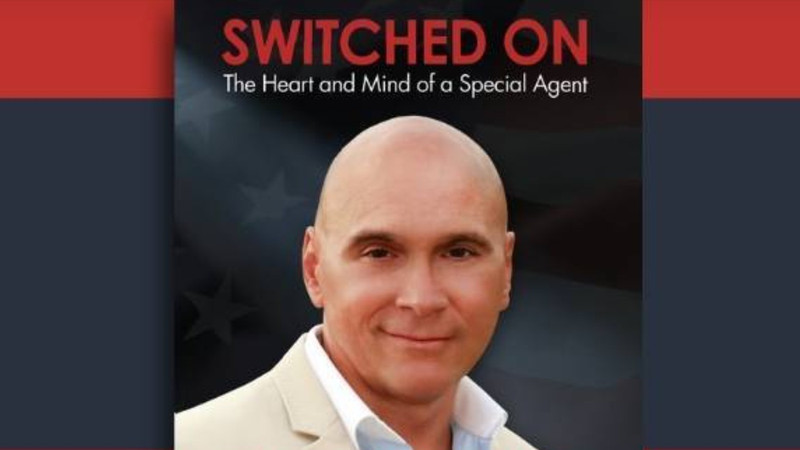
Eric Caron is a former HSI Special Agent and the author of Switched On – The Heart & Mind of a Special Agent. Learn more at SwitchedOnLife.com.

Comments