
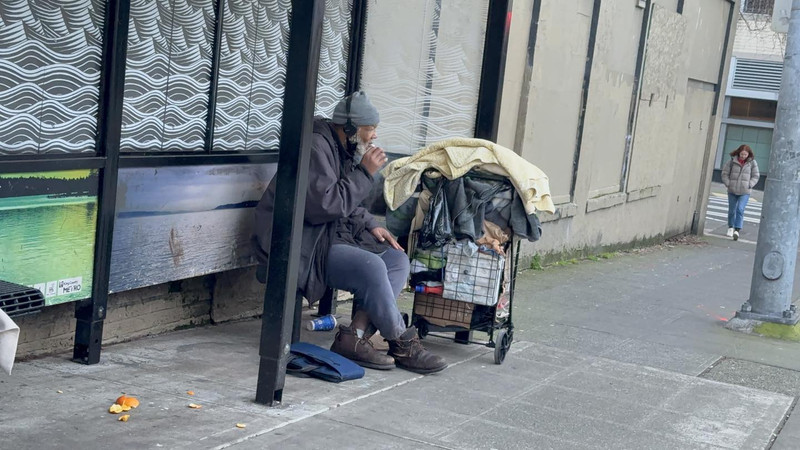
SEATTLE, WA - On the first of the year, new guidance took effect directing most drug possession and public use cases to be reviewed for diversion before Seattle's City Attorney's Office files charges.
This change has triggered alarm among police and public safety advocates who allege that the city is quietly sliding back toward the conditions that once fueled crime, open-air drug markets, and deadly overdoses, Fox News reported.
Last week, city leaders pushed back against criticism that they had effectively stopped prosecuting drug users, saying there had been no formal policy changes. That clarification came in an email from the Seattle Police Department (SPD), which said officers were still expected to enforce drug laws despite an internal communication that sparked immediate backlash.
"There has been no policy change," new Seattle Mayor Katie Wilson previously said in a statement. "You'll know when I announce a policy change, because I'll announce a policy change."
Critics, however, say there is a different story happening. Andrea Suarez, founder of the nonprofit We Heart Seattle, which works with people experiencing homelessness and addiction, said the city's policies have created a "safe place" for drug abusers and criminals.
"It will trap people longer in the cycle of addiction, creating havoc in our communities as they survive off theft, by and large," she said.
Conservative radio host Jason Rantz told Fox News Digital that city officials are downplaying concerns by insisting nothing has changed, even as enforcement practices shift in practice. According to Rantz, the change did not originate with Wilson but with the Seattle City Attorney's Office, which he said has signaled prosecutors will decline to pursue most drug cases except those deemed "egregious."
He warned that when officers believe arrests will not be charged, enforcement inevitably collapses. "officers aren't going to risk injury or their careers for arrests they know won't stick," Rantz said.
Rantz said the city risks returning to conditions it has already experienced — widespread public drug use, open-air dealing, and surging overdoses. He pointed to past diversion-based approaches that failed to deliver promised results, arguing Seattle is repeating a cycle with well-documented consequences. "This isn't speculation," Rantz said. "We've already lived this."
As a resident who lives and works in Seattle, Rantz said the effects are already felt daily. He described routinely encountering people actively using fentanyl or meth while walking his dog and say many residents, particularly downtown workers and small business owners, live with constant fear that city leaders dismiss.
That fear, he said, is not unfounded. He then cited a recent attack on an elderly woman who was struck in the face with a board containing a nail, leaving her blind. The alleged suspect has a long criminal history but remained on the streets.
"These crimes are random," Rantz said. "It can happen to anyone. A tourist, a worker, someone just going to a doctor's appointment." Rantz also warned that the shift in policy could worsen Seattle's ongoing police staffing crisis. In 2025, the department was 260 officers short.
Rantz argued the people most harmed by lax enforcement are the same ones city leaders say they are trying to help. "The first victims are the homeless and drug-addicted individuals themselves," he said. "Instead of getting help, they are being emboldened to continue habits that will kill them, while the rest of the city pays the price in crime and disorder."
Suarez said drug activity has rapidly spread into residential neighborhoods and public spaces. "Today looked more like Gotham City than the Emerald City," Suarez wrote on X, citing growing drug scenes in Beacon Hill, Mount Baker, city parks and along sidewalks.
Suarez said that diverting offenders away from prosecution removes a critical point of accountability. "Not prosecuting for possession and public consumption and instead diverting to Community Court or the LEAD program simply removes rock bottom for an addict," she said.
"Nobody can explain the system within the system is once and officer decides to arrest or hand off to LEAD," Suarez said. "It is 2026, and we still do not have answers on how this proclaimed, award-winning, evidence-based program is better than sweating it out in jail."
Suarez warned that diversion without consequences can trap people in addiction and fuel property crime. She also argued that Seattle's permissive approach has turned the city into a magnet for drug activity. "We have an inflow crisis in 'Freeattle,'" she said.
The Seattle Police Officer's Guild also weighed in, released a statement from President Mike Solan. He described the decision to limit arrests for open drug use as "horrifically dangerous" and warned it would lead to "more death and societal decay."
In response to concerns raised by police, advocates, and residents, SPD said its officers will continue enforcing drug laws and making arrests when they have probable cause, despite criticism that enforcement is being scaled back. "Our mission remains the same and we are aligned with the City Attorney and Mayor's Office when it comes to keeping Seattle safe from dangerous drugs," an SPD spokesperson said.
"Our officers will continue to make drug-related arrets if they have probable cause. They will also collaborate with prosecutors." the spokesperson added. Chief Shon Barnes reiterated that officers can flag cases where diversion may be ineffective and coordinate with prosecutors on other options, including prosecution.
"Our mission remains unchanged, and we fully support programs and policies aimed at reducing recidivism and breaking the cycle of repeated criminal justice involvement."
This change has triggered alarm among police and public safety advocates who allege that the city is quietly sliding back toward the conditions that once fueled crime, open-air drug markets, and deadly overdoses, Fox News reported.
Last week, city leaders pushed back against criticism that they had effectively stopped prosecuting drug users, saying there had been no formal policy changes. That clarification came in an email from the Seattle Police Department (SPD), which said officers were still expected to enforce drug laws despite an internal communication that sparked immediate backlash.
"There has been no policy change," new Seattle Mayor Katie Wilson previously said in a statement. "You'll know when I announce a policy change, because I'll announce a policy change."
Critics, however, say there is a different story happening. Andrea Suarez, founder of the nonprofit We Heart Seattle, which works with people experiencing homelessness and addiction, said the city's policies have created a "safe place" for drug abusers and criminals.
"It will trap people longer in the cycle of addiction, creating havoc in our communities as they survive off theft, by and large," she said.
Conservative radio host Jason Rantz told Fox News Digital that city officials are downplaying concerns by insisting nothing has changed, even as enforcement practices shift in practice. According to Rantz, the change did not originate with Wilson but with the Seattle City Attorney's Office, which he said has signaled prosecutors will decline to pursue most drug cases except those deemed "egregious."
He warned that when officers believe arrests will not be charged, enforcement inevitably collapses. "officers aren't going to risk injury or their careers for arrests they know won't stick," Rantz said.
Rantz said the city risks returning to conditions it has already experienced — widespread public drug use, open-air dealing, and surging overdoses. He pointed to past diversion-based approaches that failed to deliver promised results, arguing Seattle is repeating a cycle with well-documented consequences. "This isn't speculation," Rantz said. "We've already lived this."
As a resident who lives and works in Seattle, Rantz said the effects are already felt daily. He described routinely encountering people actively using fentanyl or meth while walking his dog and say many residents, particularly downtown workers and small business owners, live with constant fear that city leaders dismiss.
That fear, he said, is not unfounded. He then cited a recent attack on an elderly woman who was struck in the face with a board containing a nail, leaving her blind. The alleged suspect has a long criminal history but remained on the streets.
"These crimes are random," Rantz said. "It can happen to anyone. A tourist, a worker, someone just going to a doctor's appointment." Rantz also warned that the shift in policy could worsen Seattle's ongoing police staffing crisis. In 2025, the department was 260 officers short.
Rantz argued the people most harmed by lax enforcement are the same ones city leaders say they are trying to help. "The first victims are the homeless and drug-addicted individuals themselves," he said. "Instead of getting help, they are being emboldened to continue habits that will kill them, while the rest of the city pays the price in crime and disorder."
Suarez said drug activity has rapidly spread into residential neighborhoods and public spaces. "Today looked more like Gotham City than the Emerald City," Suarez wrote on X, citing growing drug scenes in Beacon Hill, Mount Baker, city parks and along sidewalks.
Suarez said that diverting offenders away from prosecution removes a critical point of accountability. "Not prosecuting for possession and public consumption and instead diverting to Community Court or the LEAD program simply removes rock bottom for an addict," she said.
"Nobody can explain the system within the system is once and officer decides to arrest or hand off to LEAD," Suarez said. "It is 2026, and we still do not have answers on how this proclaimed, award-winning, evidence-based program is better than sweating it out in jail."
Suarez warned that diversion without consequences can trap people in addiction and fuel property crime. She also argued that Seattle's permissive approach has turned the city into a magnet for drug activity. "We have an inflow crisis in 'Freeattle,'" she said.
The Seattle Police Officer's Guild also weighed in, released a statement from President Mike Solan. He described the decision to limit arrests for open drug use as "horrifically dangerous" and warned it would lead to "more death and societal decay."
In response to concerns raised by police, advocates, and residents, SPD said its officers will continue enforcing drug laws and making arrests when they have probable cause, despite criticism that enforcement is being scaled back. "Our mission remains the same and we are aligned with the City Attorney and Mayor's Office when it comes to keeping Seattle safe from dangerous drugs," an SPD spokesperson said.
"Our officers will continue to make drug-related arrets if they have probable cause. They will also collaborate with prosecutors." the spokesperson added. Chief Shon Barnes reiterated that officers can flag cases where diversion may be ineffective and coordinate with prosecutors on other options, including prosecution.
"Our mission remains unchanged, and we fully support programs and policies aimed at reducing recidivism and breaking the cycle of repeated criminal justice involvement."
For corrections or revisions, click here.
The opinions reflected in this article are not necessarily the opinions of LET

Comments